
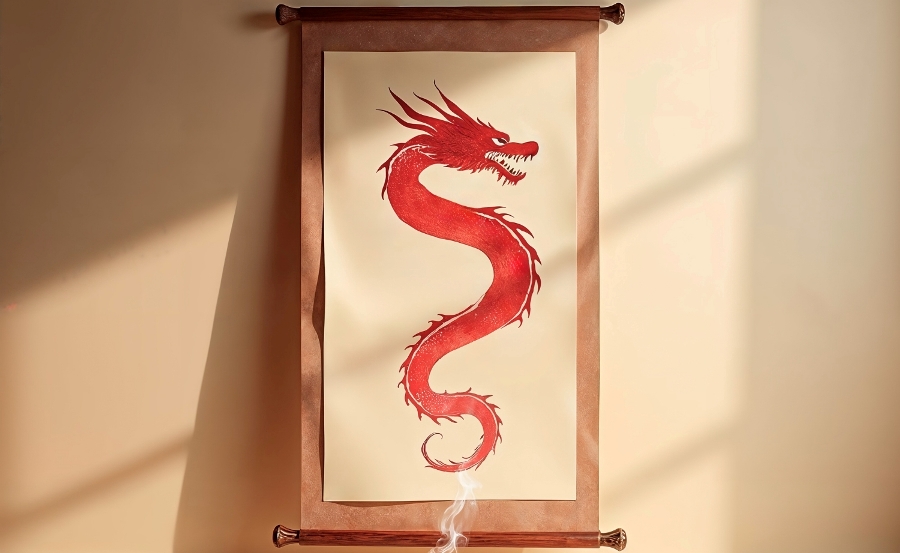
Dragon tendon massage — in Chinese known as Zhua Long Jin and literally meaning “grasping the dragon tendon” — is an ancient Taoist esoteric manhood therapy that targets the deep muscles, tendons, ligaments, TCM meridians, and lymph and blood circulation system of the abdominal and pelvic area, including the genital organs.
Historical Background
In ancient Eastern medicine, the poetic, metaphorical phrase “dragon tendon” (“long jin”) actually refers to the deep meridian life force channels, nerve pathways, tendons, fascia, and blood vessels that serve, support, and supply the genital organs, bladder, pelvic floor and groin.
 eBook
However, in ancient traditional Asian medical systems — most notably Traditional Chinese Medicine (TCM) and Traditional Thai Medicine — the term jin may refer to “nerve,” “sinew,” “tendon,” or “ligament,” or any long, fibrous, string-like tissue that connected the body, facilitated movement, or transmitted physical sensations and responses.
Therefore, “jin” is rather a single category bundling what we now know as tendons, ligaments, muscles, fascia, and peripheral nerves.
As the term “Zhua Long Jin” may translate to “plucking the dragon tendon” or “grasping the dragon nerve,” it describes the physical act of grasping and manipulating the deep, sensitive tissue lines to stimulate blood flow, release nerve compression, and restore energetic balance.
- Zhua means “to pluck,” “to grab,” “to scratch,” or “to knead”. In the context of therapy, it refers to a specific manual plucking or grasping massage technique.
- Long means “dragon,” and in traditional culture and medicine, the dragon represents vital male energy, royalty, and the primary pathways of power and strength.
- Jin means “tendon,” “nerve,” “sinew,” or “ligament,” which can also include the deep fascia and blood vessels.
In any case, mind that you will find various alternative names for “dragon tendon massage,” including “gua long gen,” “dragon rooting,” “lower body massage,” “male lower abdominal relaxation massage,” “male function relaxation massage,” “grasping the dragon tendons massage,” “dragon vein massage,” or “phoenix massage (female version).”
As you have noticed, the massage is typically thought of as a male massage, but contrary to popular belief, dragon tendon massage can also be applied to women, making it a form of traditional “yoni massage.”
In China, the female version is known as Zhua Feng Jin, the counterpart to male Zhua Long Jin, which — in this case — translates to “plucking the phoenix tendon.” It aims to improve blood flow to the reproductive organs, balance hormones, relieve from menstrual discomfort, and release emotional or physical stress trapped in the lower body’s “tendons” (jin).
In China, the “phoenix” represents the Empress or Goddess and stands for the ultimate expression of feminine energy. In addition, it symbolizes virtue, grace, prosperity, and the harmonious union of yin and yang when paired with the dragon.
What to Expect of Dragon Tendon Massage?
Well, first of all — before the actual session — you would take a shower, simply to be clean. This maybe locally at the massage place or else at home before you visit the location.
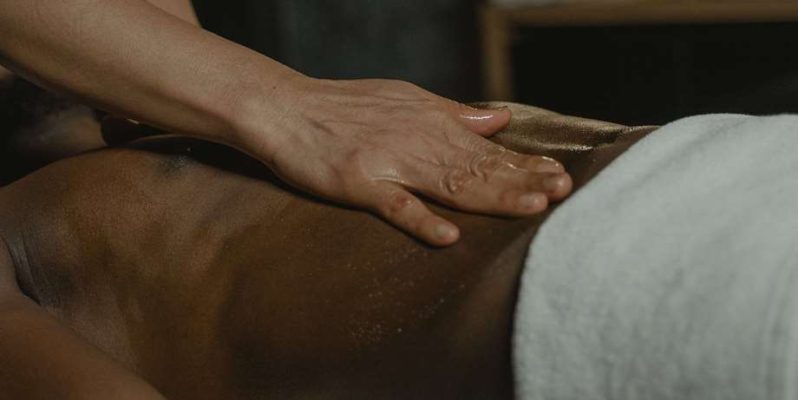
Then, typically, a dragon tendon massage session starts with a full-body massage (based on Thai massage, Anma massage, or Tuina massage), but one that specifically focuses on the lower back, inner thighs, groin, buttocks, penis (notably the penis root meridians), testicles, scrotum, and perineum area. Additionally, a session may also include external or internal prostate massage.
eBook
The most important goals of the treatment are to improve male reproductive health, lymph and blood flow, virility, vitality, and overall sexual performance.
Another health benefit claimed is that the treatment can improve erectile performance (duration and firmness) and likewise slightly enlarge the erect penis, because the massage results in an improvement of blood flow to the blood vessels that are involved in an erection. Another plus is that it’s thought to make the glans penis look healthier.
Depending on the practitioner, warm oils and/or herbal compresses may be used. The deep-tissue massage techniques applied include acupressure, sustained pressure, kneading, pulling, stretching, “plucking,” pinching, stroking, and rubbing, and overall it’s a firm, intense, and sometimes downright painful massage.
Sessions may take between one and two hours, but remember that one typically needs several massage sessions to verily reap longer lasting results.
Where to Have a Treatment?
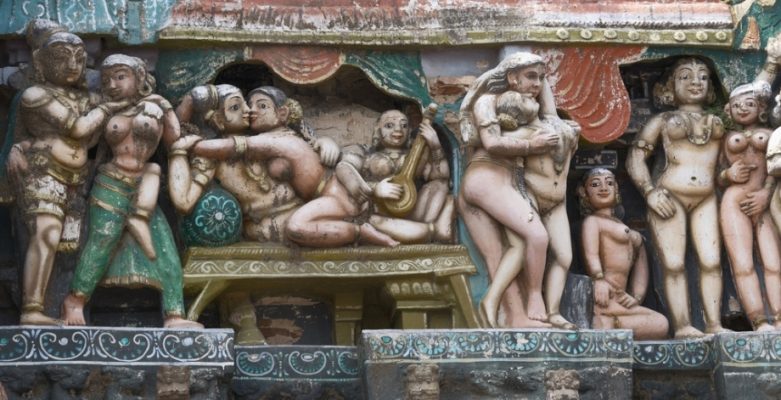
Dragon tendon massage is predominantly offered in Thailand and China. By the way, it’s thought that the modality originated in ancient India and Thai royal courts.
eBook
Interesting enough, today, you’ll find the Karsai Nei Tsang and Jabkasai genital massage treatments in Thailand and the Juagen manhood therapy in Singapore, which have strong similarities with Zhua Long Jin.
You may have noticed that the phrase “Juagen” clearly reminds of “Zhua Long Jin,” and actually, they are the same type of massage treatment, having the exact same goals. Another particularity is that you might literally read on Chinese websites that dragon tendon massage is derived from Karsai massage.
It’s relatively easy to find dragon tendon massage offerings on erotic and sensual wellness websites in China, but further research into the details often makes it doubtful whether these are authentic, therapeutic treatments or just straightforward sensual massages. To be clear: authentic dragon tendon massage is a therapeutic modality and purely non-sexual, not intended for sexual arousal.
Overall, genuine therapeutic “dragon” work is quite difficult to find through mainstream channels; in both Thailand and China, it’s typically obtained from traditional folk healers or specialized massage parlors that are only known to locals, lack an internet presence, and can only be found through regional search sites and apps.