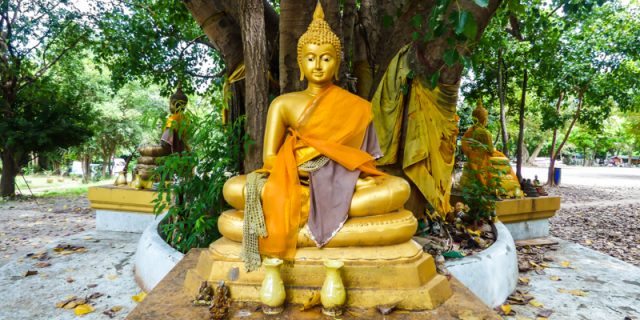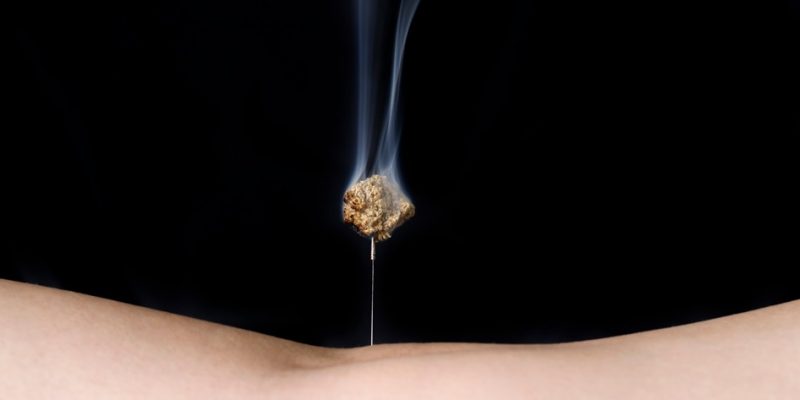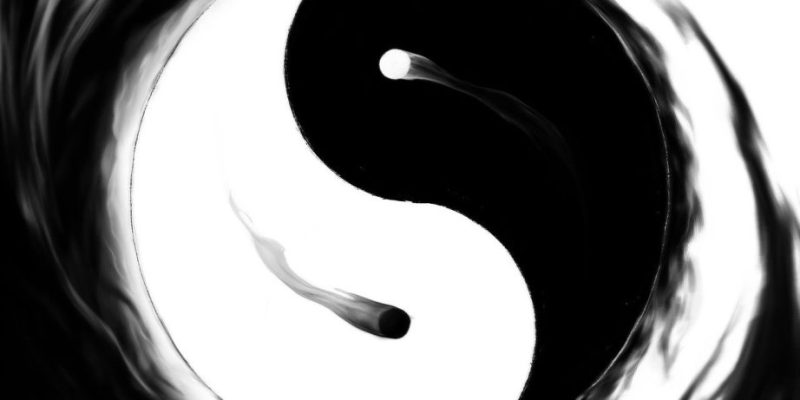


Taoism — also known as Daoism — is both a philosophical and religious tradition of China and focuses on living in harmony with the Tao, the latter meaning “The Way.” The Tao is considered the source, pattern, and substance of everything that exists, which has its parallel in qi (i.e., prana or lom pran), the universal life force.
“Living the Tao” is becoming one with the rhythms of the universe, living by action without intention (Wu Wei) in naturalness, simplicity, spontaneity, compassion, frugality, and humility.
 eBook
eBook
The origins of Taoism go back to somewhere between the 6th and 4th century BCE. Its philosophy is strongly influenced by the School of Yin-Yang (the Naturalists) and the I Ching texts. The book Tao Te Jing, attributed to the philosopher Lao Tze, and the writings of Zhuangzi are considered the most important works of the Taoist tradition.
Taoism had a deep influence on Chinese culture, including on various health and spiritual practices. Think of domains such as Neidan Inner Alchemy, Chinese astrology, Zen Buddhism (Chinese Chan Buddhism), Chinese meditation techniques, many Chinese martial arts, Traditional Chinese Medicine (TCM), Feng Shui, Tai Chi, and Qigong, which emerged from Taoist concepts or were blended with Taoist ideas and practices throughout history.
Taoism also had its impact on surrounding cultures in Asia, such as Korea, Vietnam, Thailand, and Japan. In the West, Taoist influence has grown significantly since the 19th century, evolving from scholarly studies to an important element of modern wellness and popular culture. Today, Taoism increasingly interweaves with Tantric and Neo-Tantric notions and practices.
Taoism has always been considerably occupied with health, healing, longevity, and spiritual attainment, and Taoists practitioners have traditionally used various methods and techniques to promote this, such as Taoist Meditation, Neidan Inner Alchemy, the Taoist Sexual Practices (Fangzhongshu), Tai Chi, Sexual Qigong, and Medical Qigong, many of which today are considered official TCM practices.
eBook
There are various ways of how the Chinese-Taoist spiritual ideas and TCM have influenced the Thais, the Thai culture and Thai Traditional Medicine (TTM). In fact, the Thai people originally inhabited areas of China bringing Chinese knowledge with them when entering the region that’s now called Thailand, and Chinese-Taoist concepts, thoughts, and applications can be found in virtually every aspect of daily Thai life, ranging from food, pottery, herbal medicines and recipes, religion, superstitions, to give some examples.
Moreover, the Chinese presence in Thailand has always been large (more than ten percent of the population), notably in the Bangkok and Chiang Mai region, but actually throughout the whole of Southeast Asia, which, of course, had and has its own impact.
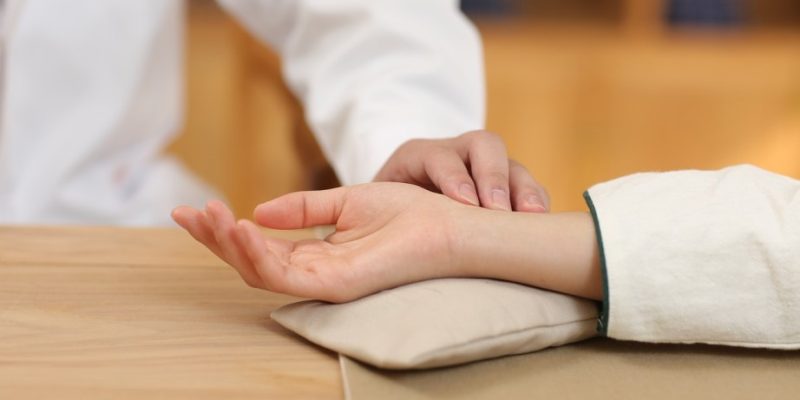
One of the most visual Chinese influences on TTM is that of the use of traditional Chinese medical diagnostics, such as analysis of the iris, the tongue, and pulse, to name some commonly used techniques.
As for massage, Thai foot massage is one of the Thai massage modalities that’s deeply influenced by Chinese reflexology. You’ll find a number of massage training schools in Thailand offering Thai foot massage and reflexology training, while at the same time mentioning that it’s based on Chinese reflexology points (like, for instance, the Wat Pho Medical Massage School’s Thai foot massage course).
eBook
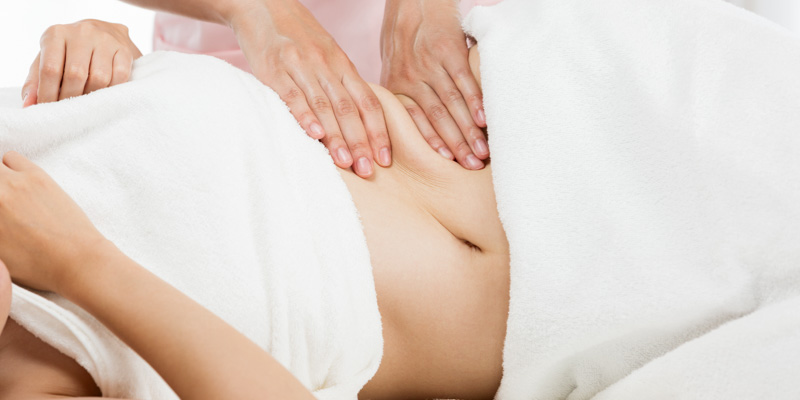
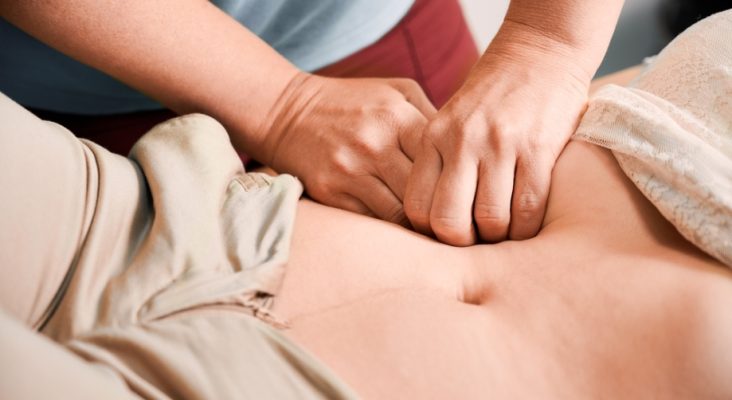
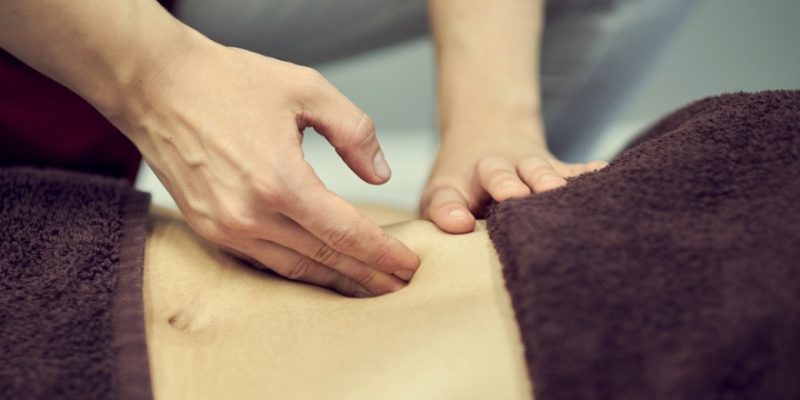
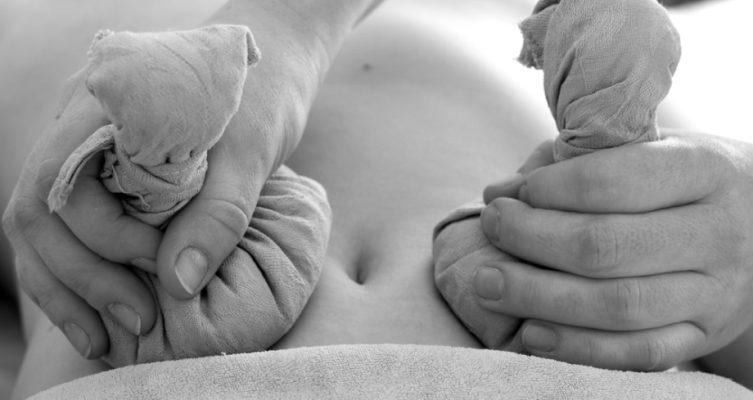
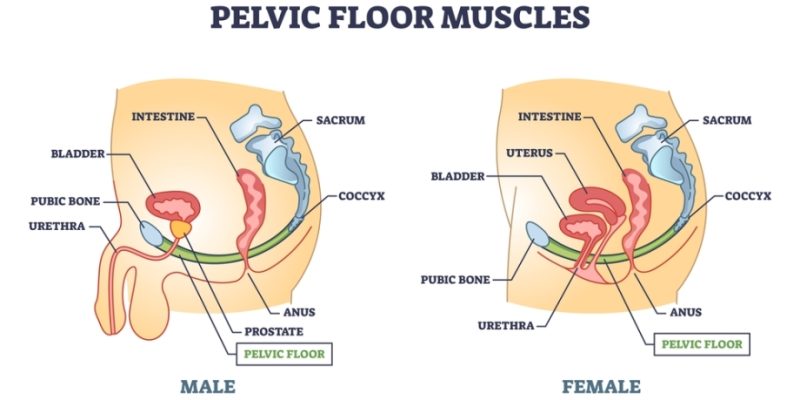
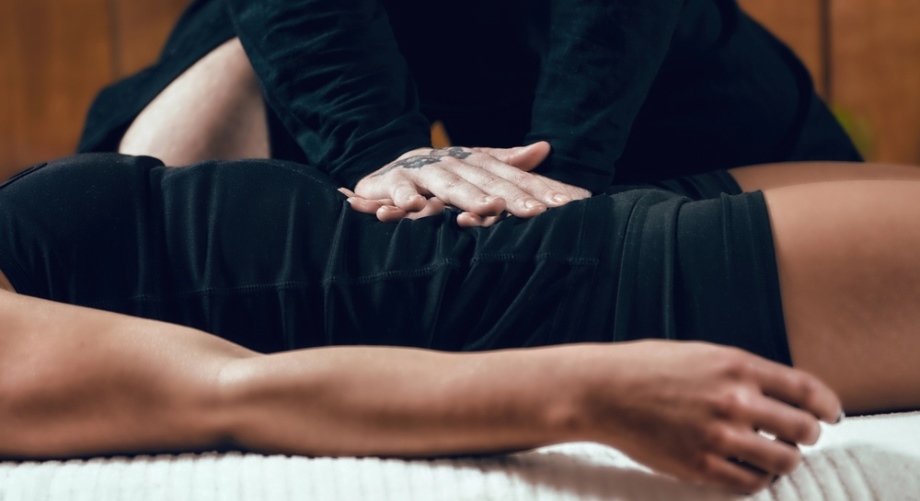
Another famous example of a Thai-Taoist massage blend is Chi Nei Tsang (Thai Abdominal Chi Massage), the internal organs massage modality quite recently brought into the footlight by Master Mantak Chia. Chi Nei Tsang is a blend of Taoist massage and meditation techniques and Thai traditional abdominal massage and Thai massage techniques. In addition, Chi Nei Tsang has a “little sister,” Karsai Nei Tsang (Thai Genital Detox Massage), which focuses more detailed on the genital i.e., reproductive organs.
In fact, it’s said that a form of Chi Nei Tsang was originally developed centuries ago by Taoist monks (associated with the White Cloud Monastery) as a self-healing tool to detoxify the body, prepare for deep meditation and spiritual refinement, and attaining longevity or even immortality.
Another strong Taoist belief that can be found in Chi Nei Tsang, which also has made its mark on Thai massage, is the belief that the abdomen is the physical and energetic center of the body and that internal organs store specific emotions (such as anger in the liver or grief in the lungs). Subsequently, Chi Nei Tsang and Karsai Nei Tsang aim to remove emotional blockages and trauma by “clearing qi” (or chi life force energy) through physical touch, which is considered essential for extending life.
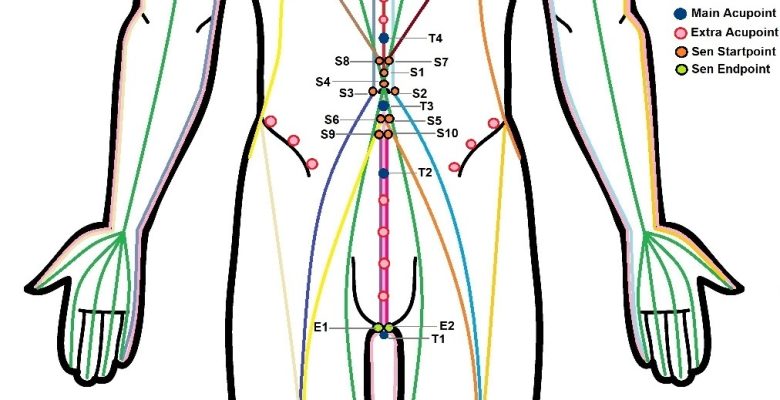
Interesting enough, Chi Nei Tsang works with both the TCM energy meridians and the Sib Sen energy lines, making it a true hybrid modality of Indian, Chinese-Taoist, and Thai concepts.