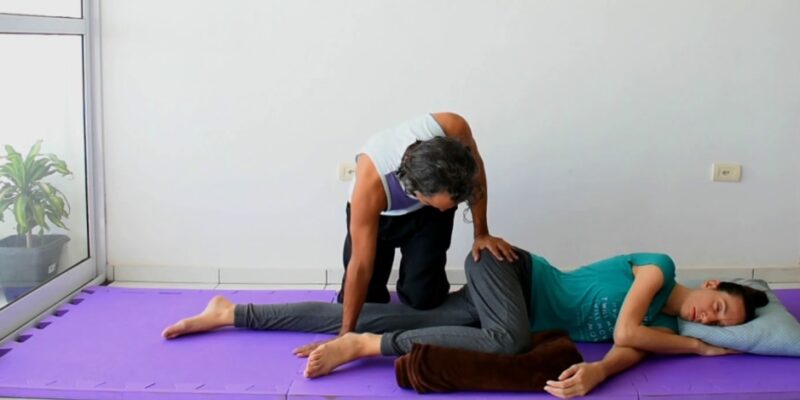


Phoenix tendon massage is an ancient Taoist-Chinese therapeutic bodywork treatment, the female counterpart of the male dragon tendon massage. This intimate modality is aimed to improving women’s overall well-being, but with specific focus on rejuvenating reproductive and sexual health.
Historical Background
 eBook
The Chinese name for phoenix tendon massage is Zhua Feng Jin — literally meaning “grasping, grabbing, or massaging the phoenix tendons,” while its male counterpart is known as Zhua Long Jin, that is, “grasping, grabbing, or massaging the dragon tendons.”
In China, the phoenix represents the Empress or Goddess, and stands for the divine expression of feminine energy. It also symbolizes virtue, grace, prosperity, and the harmonious union of yin and yang when paired with the dragon.
It’s widely thought that the treatment originally emerged in Thailand as nuat kasai or jap kasai, where:
- “nuat” means “massage” and “jap” means “grabbing, plucking, or pressing”, and
- “kasai” or “karsai” means “sedimentation of the veins,” “decline or stagnation of the blood circulation,” “decline of the body with age,” or “chronic debility i.e., wasting conditions.”
In addition, you also find the Karsai Nei Tsang genital treatment in Thailand (designed for both men and women), which is a more recently blended version of Thai massage, Thai abdominal massage, and Taoist massage and meditation techniques. Karsai Nei Tsang was developed by the Thai-Chinese practitioner and teacher Mantak Chia.
eBook
Thus, although a centuries-old Thai traditional treatment, it’s today re-emerging in Thailand as “phoenix tendon massage” (Zhua Feng Jin), in fact, simply to attract Singaporean and Chinese tourists to have a treatment session.
Having said that, it should also be understood that phoenix tendon massage differs from Thai traditional women’s (gynaecological) health work like Thai womb lifting (Yok Mod Luk), Yok Thong, Thai ovary massage, and Thai traditional abdominal and pelvic massages applied in Thai postpartum care (Yu Fai).
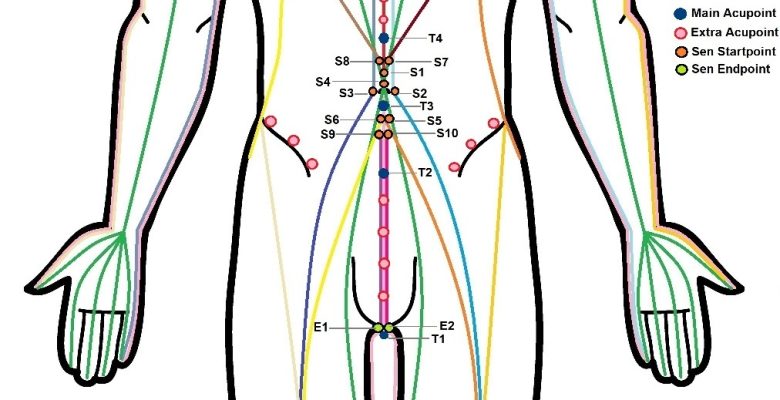
That is, phoenix tendon massage is rather a blend of Thai Traditional Medicine, Taoist sexual practices (Fang Zhong Shu), and Traditional Chinese Medicine (TCM) concepts and techniques. Think here of the application of TCM meridian theory, yin-yang balancing, life force energy renewal, herbal packs, Thai-style stretches, and acupressure, among others.
What to Expect of Phoenix Tendon Massage?
Phoenix tendon massage is often thought of as a vaginal massage — a kind of Chinese or Thai yoni massage — but that doesn’t do justice to the practice.
While it includes working internally with the vagina, the treatment is rather a full-body Thai-style massage which — during the session — gradually focusses on more precise pelvic and abdominal work targeting the soft tissues of the hips, inner thighs, groin, buttocks, perineum, anal region, uterus, and vagina.
eBook
During the phoenix tendon massage — as a rule carried out by a female massage practitioner — the receiver typically lies either on a Thai massage mat on the floor, on a classic massage table, or on a wide massage bed.
The entire session may take between ninety and hundred twenty minutes, depending on the time spent on the different steps in the massage.
Massage techniques used include kneading, pushing, pressing, acupressure, grasping, plucking, and stretching. In addition, therapists use warm oil, hot herbal compresses (herbal pouches), and/or hot stones before, during, and/or after the treatment.
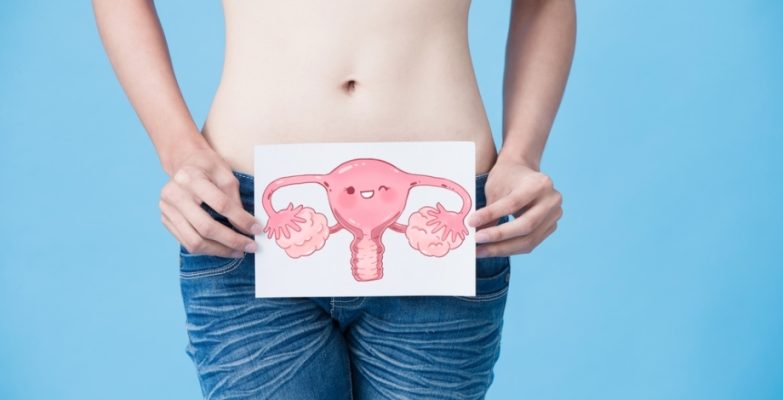
It aims to release soft tissue tensions, improve life force energy and blood flow to the reproductive organs, increase fertility, stimulate the lymphatic system and promote detoxification, balance hormones, soothe and warm the body, boost metabolism, relieve from menstrual discomfort and fatigue, and release emotional or physical stress or trauma trapped in the lower abdominal and pelvic area.
In a more general sense, one could say that the goal is to resolve various gynecological health issues, alleviate stress and promote deep relaxation, and improve women’s sexual, emotional, and physical well-being.
Precautions and Contraindications
The treatment is not recommended during menstruation, pregnancy, or before recovery after childbirth.
In addition, women with acute gynecological inflammations, bleeding, or wounds, urinary tract infections, fever, severe abdominal pains, cardiovascular disease, hypertension, or diabetes complications, recent gynecological surgery, cesarean section, pelvic surgery, or severe trauma, should first seek appropriate medical advice.