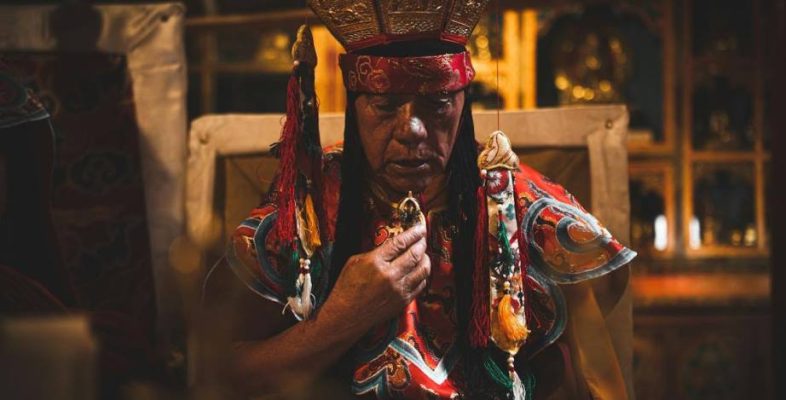

Shamanism involves a practice in which a traditional folk healer or folk practitioner — typically called a shaman — interacts or mediates between the spirit world, Nature, and the Universe on one side and the human world on the other side.
One of the core characteristics of shamanic healing is the belief that the material, visible world is pervaded and influenced by a supernatural world of invisible spirits, energies, or forces that affect the visible and human world in either a benevolent or malevolent way. In the case of humans, it’s thought that the supernatural world affects the human soul or spirit, which can cause all kinds of physical, emotional and spiritual health or relationship issues in the human world.
 eBook
eBook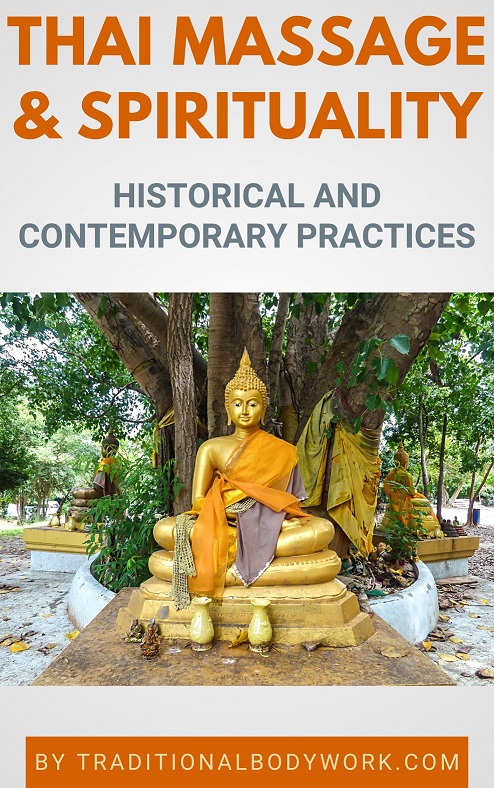
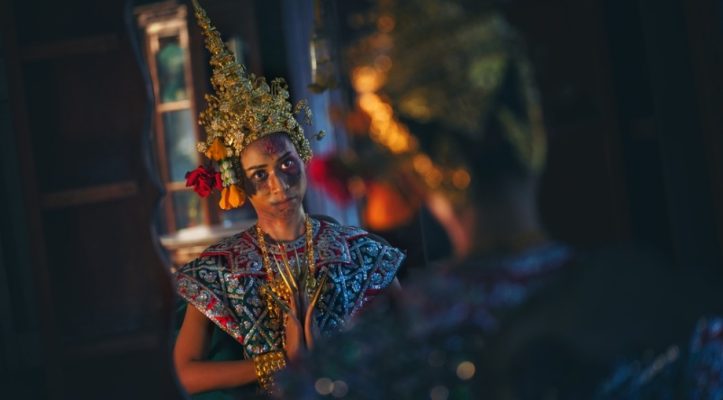
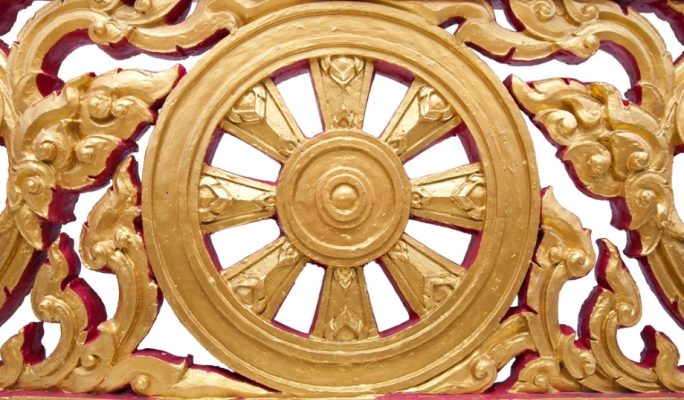
In Thailand, shamanism blends ancient animism with Buddhism and Hinduism. While Thailand is predominantly Buddhist, many people regularly turn to shamans — known as Mo Phi (spirit doctors) — to handle the practical and mystical issues that modern medicine or standard prayers might not resolve.
Shamanic traditions in Thailand are vast. Nevertheless, it’s generally agreed upon that the Chiang Mai region (Northern Thailand, including the Chiang Rai, Pai, the hill-tribe regions and villages) is the best location to receive treatments or training because of its variety and long-standing tradition in shamanic and animistic healing.
What’s important to understand is that shamanism in Thailand is a mix of Buddhist traditions, local traditions, animism, Ayurveda, Taoist, and hill-tribe influences (peoples who in the last 100 years migrated to Thailand from Myanmar and Laos), and moreover heavily influenced by the Lanna Kingdom history.
Moreover, there is not ONE definite shamanic tradition. You have shamans, in Thailand often called rishis or folk healers (among other names), who each have their specialty, influenced by the various traditional or healing domains mentioned in the previous paragraph.
eBook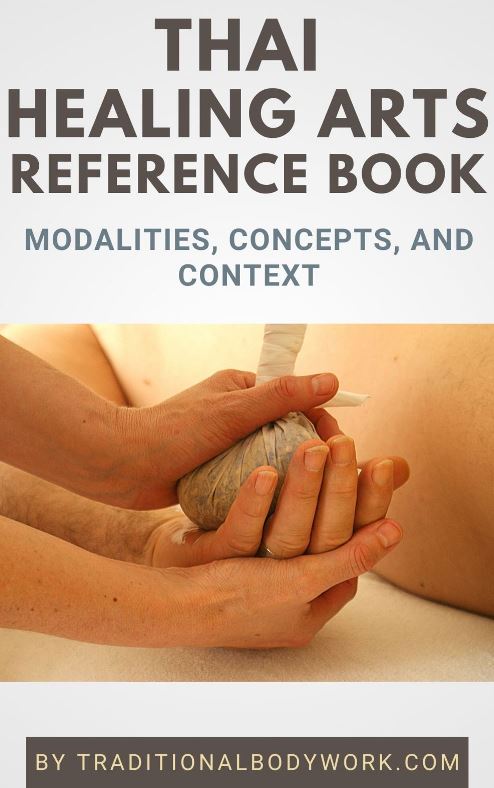
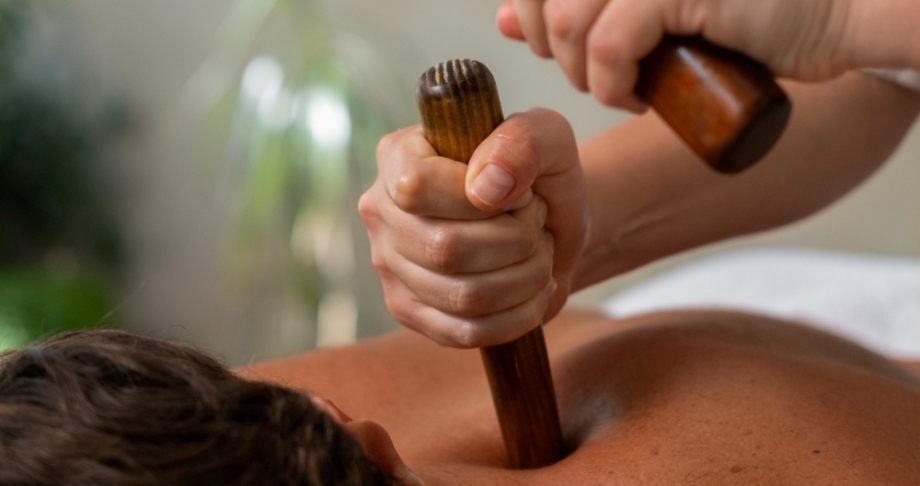
In Thailand, the best approach to shamanism is often bottom-up, and not top-down. That is, the treatment modality you might be interested should guide you to whom you will be looking for. That is, if you’re interested in or have affinity for Thai massage, Tok Sen, Thai Yu Fai (postpartum treatments), Thai fire massage, or herbal medicine, it’s best to approach authentic healers who are specialized in one of those modalities and who work in the context of shamanic traditions.
Hence, you’ll find shamans who are specialized in Thai massage, but likewise approach sessions with an animistic and spirit focus (such as taking Nature spirits and ancestor spirits into account). It typically means that sessions will include a variety of rituals, invocations, incantations, prayers, and chants, to give some examples.
Thai massage would then rather become a somatic vehicle to work with spirits and energies (to expel, invoke, or appease them), in order to regain physical, emotional, mental, and spiritual health.