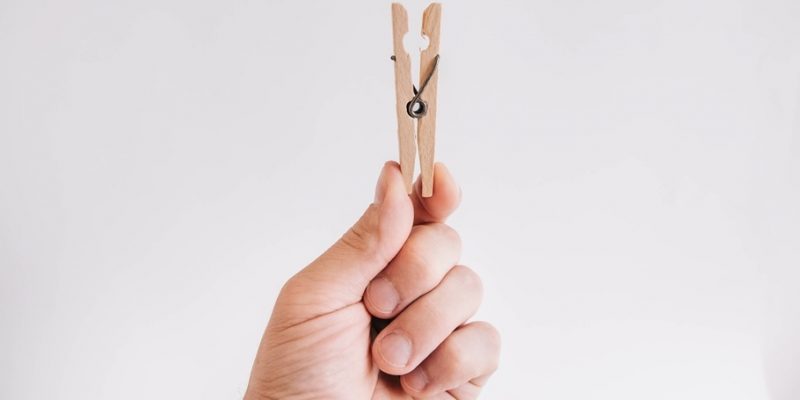


Semen retention or coitus reservatus, sometimes synonymized with male sexual continence or male continence, is the practice of intentionally not ejaculating during sexual intercourse or masturbation. It can also simply mean not to engage in any sexual activity at all.
 eBook
eBook
In fact, semen retention is a form of ejaculation control. The reasons to engage in this practice vary wildly, but typically include achieving physical, emotional, and/or spiritual benefits.
Mind that semen retention is not about avoiding a sexual orgasm. By contrast, it’s thought that having an orgasm without ejaculating is of higher quality, more intense and more pleasurable, and felt through the entire body — known as full body orgasms — and moreover, invigorating and vitalizing.
Additionally, not ejaculating during an orgasm would give the possibility to having multiple orgasms during lovemaking, which pleasurably benefits oneself and one’s sexual partner.
Semen Retention – Goals and Health Benefits
The practice of semen retention goes way back, and is known to have been of considerable importance in Tantric and Taoist practices, dating already 1,500 to 2,000 years ago.
eBook
In these ancient systems, it was thought that semen retention would retain Vital Life Essence (considered to be highly concentrated in semen, notably in sperm), which could be cultivated and used for attaining longevity and spiritual progress. Additionally, it was believed that it would also benefit overall physical and emotional health, besides bringing more pleasure in down-to-earth lovemaking.
By contrast, expelling semen too often would diminish Life Force Energy (Vital Life Essence), which, depending on its manifestation is known as Qi, Prana, Kundalini Energy, Jing Essence, and so on. This in turn would lead to a shorter lifespan, more illnesses, and less chances to attain spiritual enlightenment.
Today, the reasons for men to engage in semen retention activities and techniques are roughly the same as they have been in ancient times. Think of improving fertility, virility, and vitality, enhancing sexual pleasure, increasing physical health, boosting testosterone levels, building more muscle mass, improving skin and hair quality, curing sexual dysfunctions — such as premature ejaculation — improving one’s sex life and relationship, improving self-confidence, perseverance, and self-control, augmenting mental and cognitive health, and attaining spiritual growth and self-realization.
The limited research done on the topic of semen retention suggests that the longer one doesn’t ejaculate, the more positive some of the proclaimed benefits. For instance, sperm motility and sperm volume seem to increase, as well as testosterone levels.
Health Risks of Semen Retention
eBook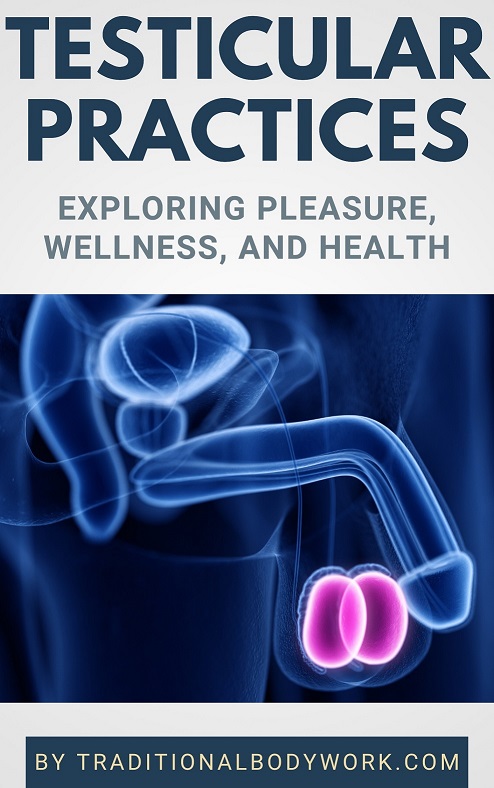
One of the questions that arises is if it’s unhealthy to deliberately not ejaculate when aroused and/or feeling the urge to do so.
As for the state of current scientific knowledge around this topic, there seems to be no negative side, that is, there are no known health risks. In fact, sperm that is not ejaculated is absorbed/broken down in the body.
Nevertheless, for some men stopping the flow or need of ejaculation may lead to swelling and tension in the testicles — known as Blue Balls or epididymal hypertension — which can give a painful or uncomfortable feeling.
By contrast, current research seems to suggest that regularly ejaculating may prevent prostate cancer. Yet, please mind that this doesn’t mean that semen retention imposes a risk to getting prostate cancer.