

The most common prostate disorders/illnesses are prostate enlargement, prostate inflammation/infection, and prostate cancer.
 eBook
eBook
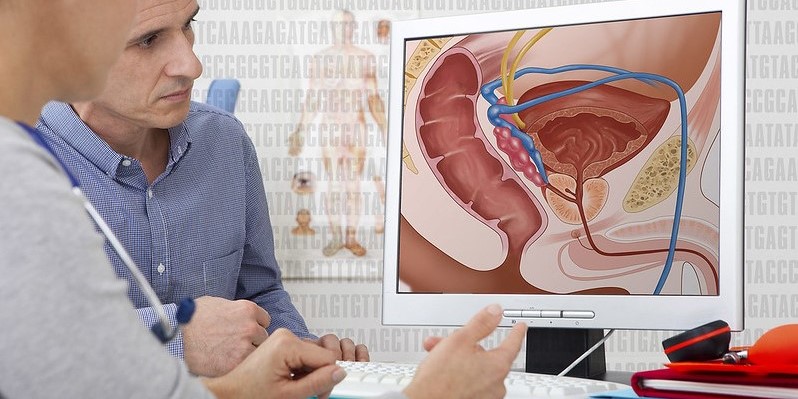
But first this: the prostate is a small gland of the male reproductive system. In humans, the prostate gland is usually about the size of a walnut and it’s found below the bladder, in front of the rectum, and partly surrounds the tube (urethra) that leads pee from the bladder to the penis.
The main function of the prostate is to secrete a fluid (called prostate fluid), which is milky or white in aspect, that in humans usually contains about 30% of the volume of semen along with spermatozoa and so-called seminal vesicle fluid.
The prostate also secretes an enzyme that plays a role in sexual arousal and sex drive, together with zinc and citric acid which help keeping sperm cells healthy and also lubricate the urethra.
The prostate also has some muscles that help to excrete semen during a sexual orgasm and ejaculation. In addition, you’ll find some important blood vessels and nerves around and near the prostate that aid in getting an erection.
Benign Prostatic Hyperplasia (BPH)
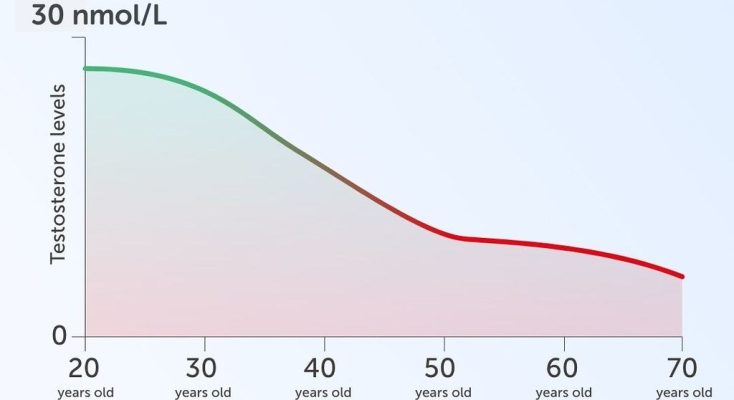
On aging — particularly occurring in men over fifty years old — the prostate can become larger, a usually painless condition that’s known as benign prostatic hyperplasia (abbreviated as BPH), which involves a non-cancerous growth of the prostate.
eBook
While the exact cause of BPH is unknown, it’s believed to be linked to changes in sex hormone levels. Mind, though, that it’s a normal process of aging for most men.
Yet, because the prostate surrounds part of the urethra (the tube that leads pee from the bladder to the penis), an enlarged prostate can start to squeeze the tube. This can cause problems when trying to pee (difficulty with starting), or feeling the urge to pee very often (and peeing very little with dribbling), and incomplete emptying of the bladder. Further complications may include urinary tract infections, bladder stones, and chronic kidney problems.
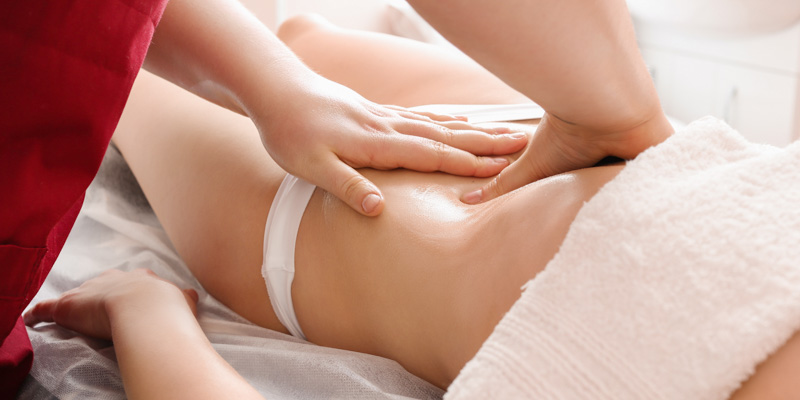
Typical classical treatment solutions, that is, Western treatment styles, might be medication, lifestyle changes, or surgery. Traditional treatment solutions, however, include a wide range of massages (such as Internal Prostate Massage or External Prostate Massage) and other bodywork practices (such as prostate exercises).
Prostatitis
Prostatitis is an inflammation of the prostate gland caused by a bacterial infection. Prostatitis is classified into acute, chronic, asymptomatic inflammatory prostatitis, and chronic pelvic pain syndrome.
eBook
The term prostatitis refers to inflammation of the tissue of the prostate gland. It may occur as a physiological reaction to an infection, but it also may occur in the absence of a bacterial infection.
Causes may include bacteria (like E. coli) spreading from the urinary tract or rectum into the prostate, medical procedures (use of a urinary catheter or a recent prostate biopsy can introduce bacteria), STIs (infections like chlamydia or gonorrhea can sometimes lead to prostatitis). In addition, pelvic injury, nerve damage, or an enlarged prostate (BPH) can increase risk.
Prostatitis can cause trouble urinating, chills and fever, or sexual dysfunction, like, for instance, pain in the genitals or pain when ejaculating.
Modern pharmaceutical treatments typically include medication, that is, antibiotics or alpha-blockers. Pain management may also be an additional option. Nevertheless, Prostate Massage has long been an official treatment, one that is increasingly resurfacing nowadays.
Prostate Cancer
Prostate cancer is the development of cancer in the prostate. Most prostate cancers grow slowly, but some may grow relatively quickly.
eBook
The cancer may spread from the prostate to other areas of the body, notably to the bones and lymphatic system i.e. to lymph nodes. Initially there may be no symptoms at all.
The cancer may spread from the prostate to other areas of the body, notably to the bones and lymphatic system/nodes. Initially there may be no symptoms at all.
In developed stages, prostate cancer can lead to difficulties with urinating, blood in urine or pain in the pelvis or back, bone pains, erectile dysfunction (ED), or pain when urinating. Other symptoms may include feelings of tiredness, which is mainly caused by low levels of red blood cells.
Keep in mind that benign prostatic hyperplasia (BPH) may show similar symptoms as prostate cancer. Therefore, before panicking, stay calm, and first do a checkup with a professional healthcare provider, such as an urologist.
Factors that increase the risk of prostate cancer include older age, a family history of the disease, and race. About 99% of cases are found in males older than fifty. Other factors thought to be involved include a diet that’s high in processed meat, red meat, and milk products, or a diet that is low in certain vegetables.
Prostate cancer is diagnosed by biopsy. Further examinations may be carried out to determine if the cancer has spread to other parts of the body.
eBook
Treatments may include a combination of surgery, radiation therapy, hormone therapy, or chemotherapy. In those men in whom the disease has spread to the bones, pain medications, bisphosphonates, and targeted therapy, among others, may be useful. Outcomes seem to depend on a person’s age and other health problems, as well as how aggressive and extensive the cancer is.
Mind that massage therapy is not advised when having an active cancer (and most certainly not on the cancerous area), because of the risk of spreading cancer cells and aggravating the cancer.
One of the adverse consequences of prostate cancer treatments is erectile dysfunction (ED). Typically, important nerves and blood vessels near the prostate that are important to get an erection become damaged.
However, within one year after treatment, most nerves and blood vessels that weren’t permanently damaged will have recovered, and men experience substantial improvement with getting a natural erection. Certain exercises, sexual stimulation, Prostate Massage, and medication may help to speed up recovery.