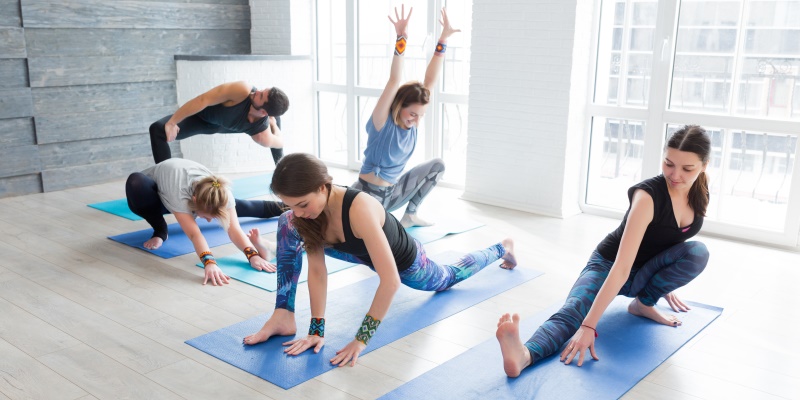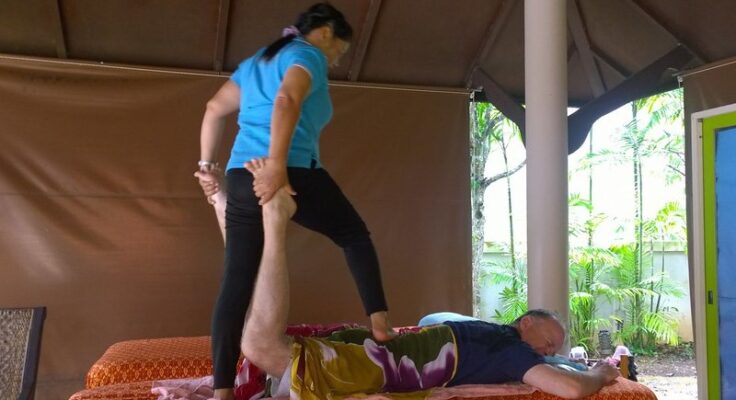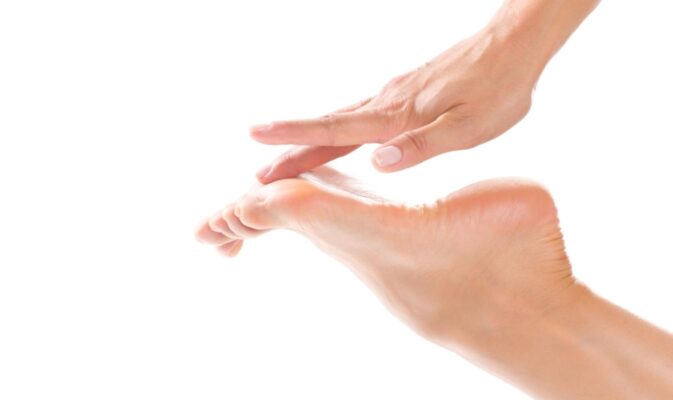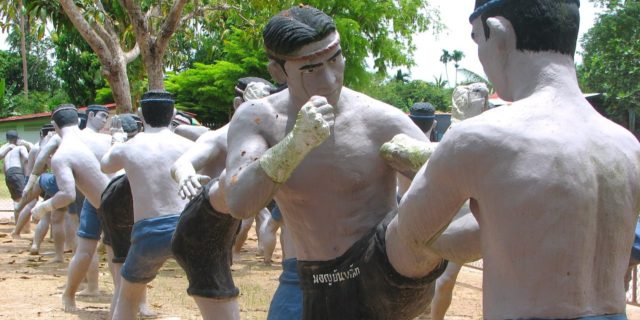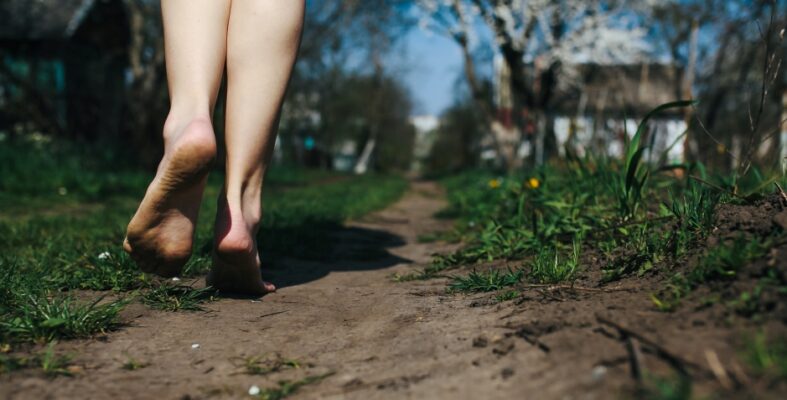

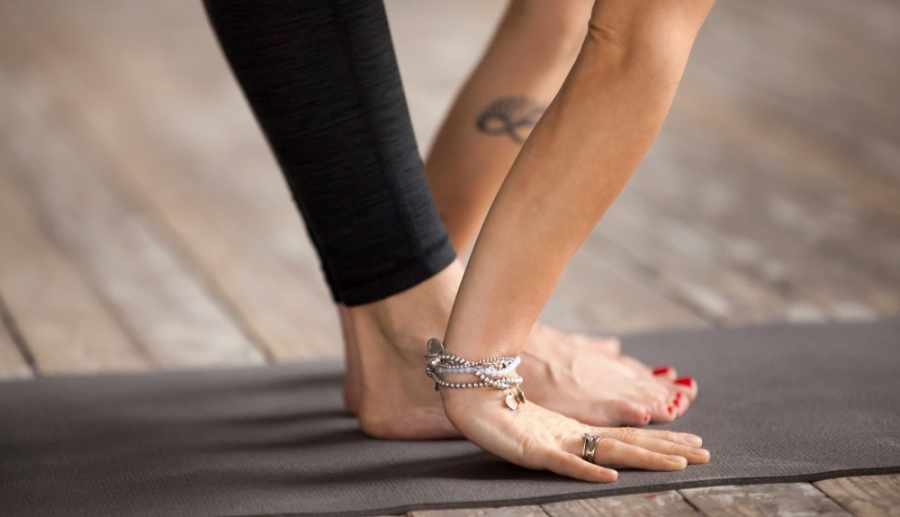
Mind-body practices — alternatively also known as body-mind practices — such yoga, Pilates, Thai yoga, and tai chi are traditionally carried out barefoot for cultural and spiritual reasons, to establish a rooted foundation, enhance balance, strengthen the muscles of the feet, and guarantee correct full-body alignment.
For instance, being barefoot compared to wearing thick cushioned shoes significantly increases sensory feedback about the body’s position, helping to adjust one’s balance instantly.
 eBook
In addition, unlike using footwear, going barefoot activates the full set of stabilizer muscles in the feet, which improves long-term joint health and protects ankles and knees from injury.
Increased stability is also achieved while doing exercises because being barefoot allows the toes to spread out naturally, forming a stable, broad triangle (heel, big toe, little toe), which aligns the knees, hips, and spine correctly. Moreover, the skin of bare feet ensures a better grip on a rubber mat or wooden floor.
Yet, there are also historical and cultural reasons; the mind-body disciplines were — and sometimes still are — carried out in sacred spaces, which required taking footwear off out of respect for the Divine, but also simply for cleanliness.
Another motivation of having direct contact with the ground, is because of “energy flow.” In many Eastern philosophies and religions it’s believed that barefoot contact with the Earth is a way to increase life force energy absorption, where “life force” is typically known as prana or qi, among other terms.
However, when mind-body practices are performed outdoors, practitioners might prefer wearing minimalist footwear to protect the feet against the cold, wet soil, and/or potential harmful debris.