

Going barefoot has been a common activity within many cultures. Nevertheless, each culture or society has its own customs, habits, and rules with regard to being barefoot in public.
As already discussed in our post Going Barefoot in Religious and Spiritual Practices, one of the cultural aspects is related to religious and spiritual motivations. However, in this article, we’ll rather look at how going around barefoot makes part of day-to-day life.
 eBook
eBook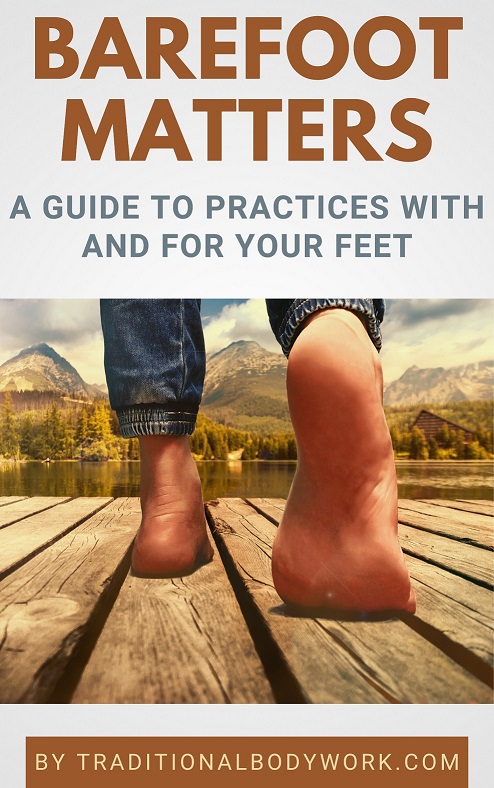
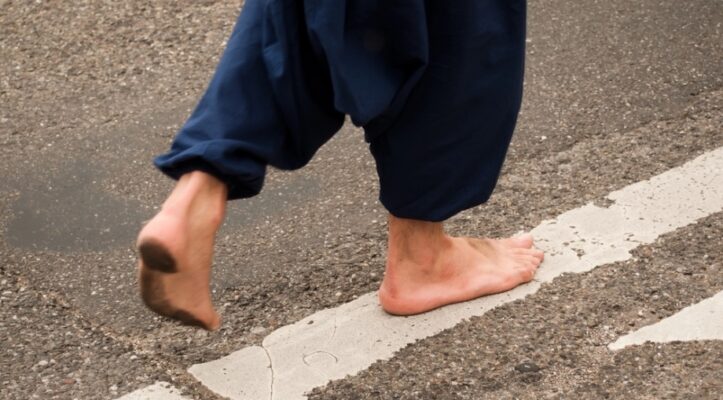
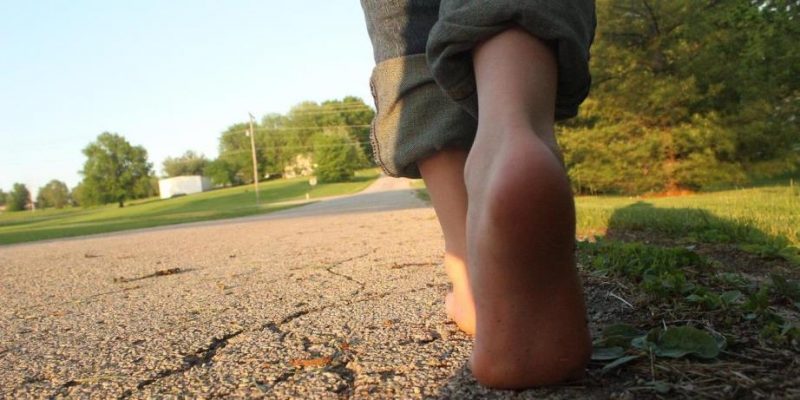
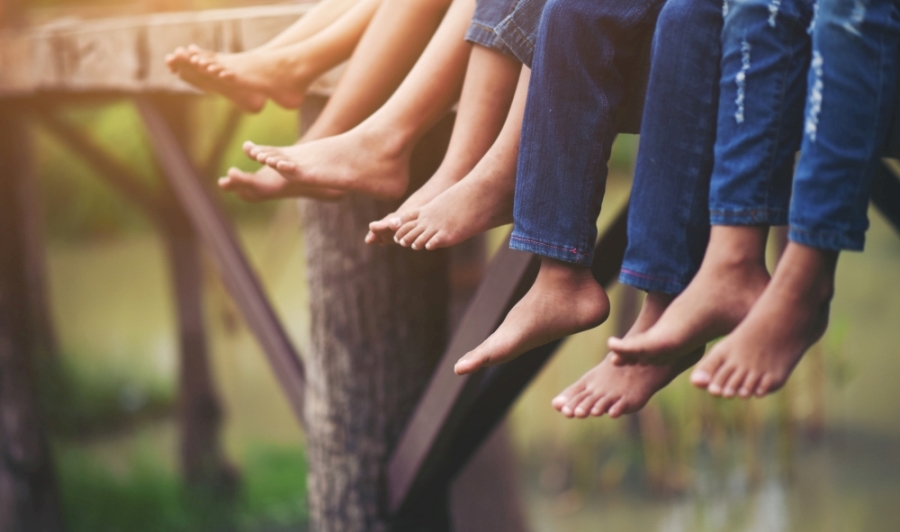
For instance, in some countries it’s quite common to be barefoot in public spaces or in the streets, especially during summer. This is the case in Australia, New Zealand, South Africa, India, and in various rural communities in Africa and South Asia. For children, there’s even more freedom to do so, for instance, also in school buildings or shops.
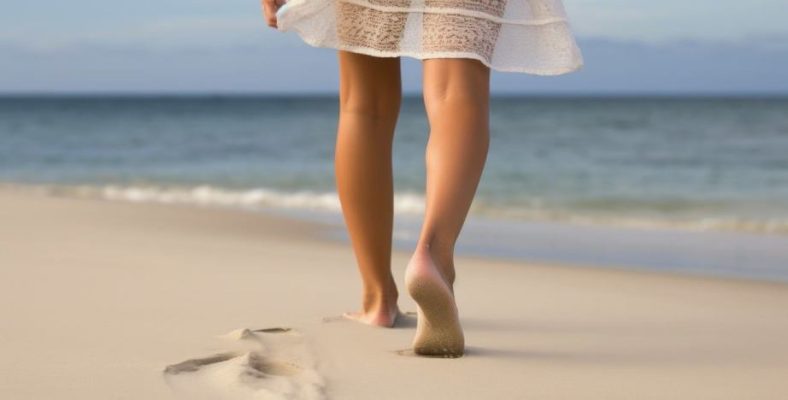
In addition, in almost every country with a coastline people go barefoot on the beach; walking without footwear on sand is a nearly universal global norm regardless of local dress codes, religious customs, or urban shoe habits.
In the vast majority of countries, there are no laws requiring drivers to wear footwear. That is, driving a vehicle barefoot is legal across most major regions. Nevertheless, in some countries it’s forbidden to drive barefoot for professional truck, bus, and commercial drivers. And, in other countries, like in Spain or France, although not mentioned in the law, you might get fined for not using footwear while driving as a private person.
In several countries in East Asia, South Asia, the Middle East, and parts of Northern and Eastern Europe, it’s forbidden or highly offensive to wear outdoor footwear inside traditional workplaces, restaurants, schools, and/or cultural spaces. For instance, in Japan and South Korea, it’s standard to remove outdoor footwear and switch to indoor shoes or slippers. Yet, also in Sweden, Norway, and Finland it’s common and expected to take off your boots due to heavy snow, mud, and rain before entering public daycares, schools, and clinics.
eBook
Additionally, it’s a very common custom in many countries to take off footwear when entering homes. In fact, it’s a universal cultural standard across Asia, the Middle East, Northern Europe, Eastern Europe, and Canada. In these countries and regions, wearing outdoor footwear inside someone’s living space is considered highly disrespectful, unhygienic, or even entirely socially unacceptable.
Moreover, going completely barefoot inside one’s own home is the daily standard for the majority of the world’s population. Having said that, the moments when people go barefoot compared to when they would wear indoor footwear depend heavily on climate, flooring material, and local cultural traditions. Nonetheless, although the majority of people worldwide sleep barefoot, a quite notable minority chooses to wear socks in bed for temperature control or improved sleep quality.
The examples above show specific moments when people in different societies go barefoot. However, we shouldn’t forget that there are numerous indigenous tribes and traditional cultures around the world that live completely barefoot almost 100% of the time. For these peoples, going without footwear is absolutely not a lifestyle trend or a specific habit in certain circumstances; it’s a profound natural and functional adaptation to their specific environments and a core part of their cultural identity.