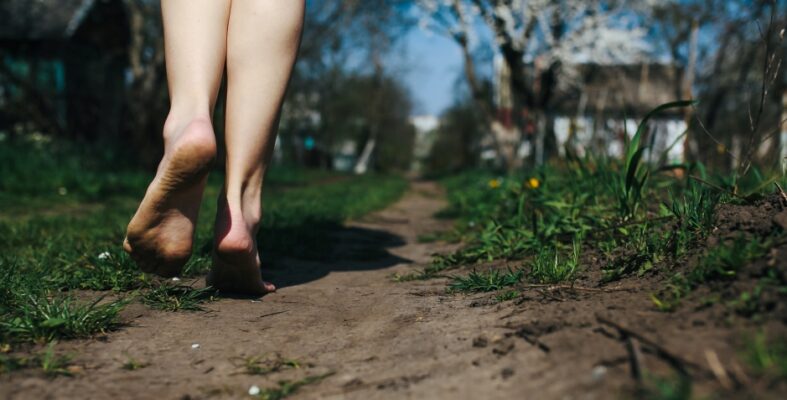


In many types of work and industries, working barefoot is a functional necessity because of safety, tactile feedback, and/or operational efficiency.
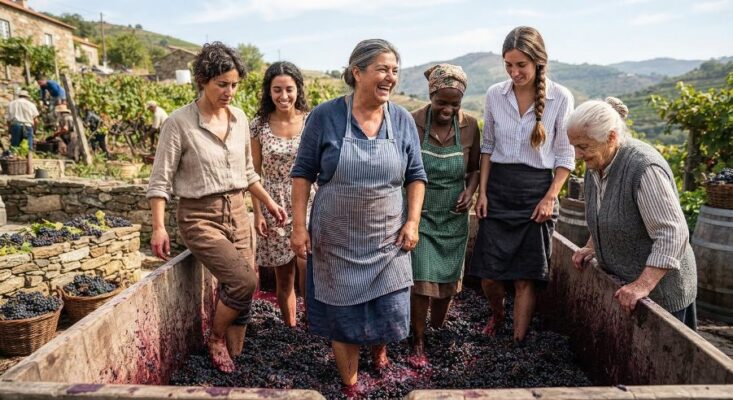
We’ve already mentioned specific work, such as barefoot grape treading and barefoot laundry, but let’s take a look at some of the other domains where working barefoot is the norm:
Maritime and Coastal Operations
Traditional fishermen, seaweed harvesters, and net menders across Southeast Asia, West Africa, and the Pacific Islands work barefoot. Shoes cause skin soaking and fungal infections due to the water they retain, while bare feet adapt to wet surfaces.
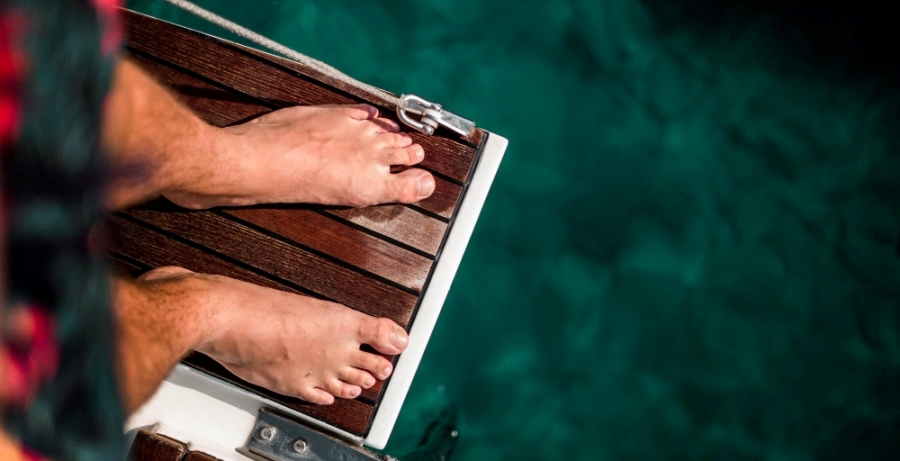
Surf instructors, dive masters, and luxury yacht crews globally work barefoot. Rubber or leather soles damage fiberglass decks, catch moisture, and slip easily on wet surfaces. Bare skin provides maximum grip on wet wood and composite materials.
Agriculture and Primary Industries
In major rice-producing countries, such as India, Vietnam, Thailand, and Bangladesh, workers go barefoot. Heavy mud creates a suction effect that traps or pulls off boots, hindering movement and increasing physical fatigue.
In rural construction across Central America and Sub-Saharan Africa, workers mix clay, straw, and water by treading on it. Feet serve as sensory tools to judge the consistency and texture of the material.
Craftsmanship and Manufacturing
Many weavers of textile in India, Guatemala, and parts of West Africa use their bare toes to operate foot pedals, tension cords, and adjust machinery components with precise tactile feedback.
Traditional potters that use mechanical kick-wheels operate the heavy flywheels with their bare feet to maintain precise control over rotation speeds.
Martial Arts and Bodywork
Coaches and instructors of judo, Brazilian jiu-jitsu, Muay Thai, and karate typically train barefoot. Footwear damages training mats, reduce dynamic speed, and increase injury risks to training partners during strikes.
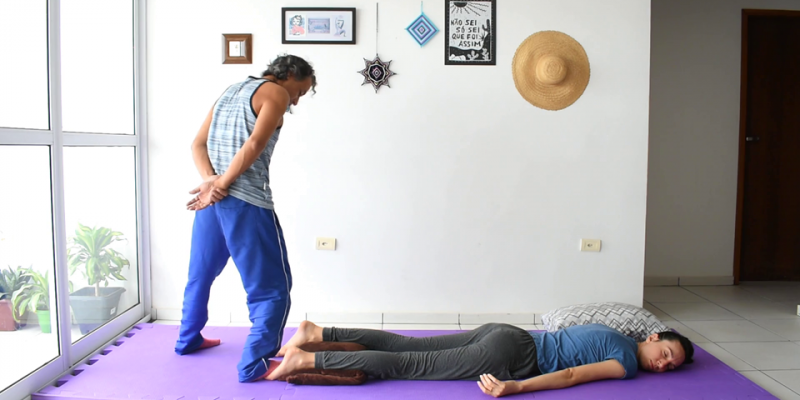
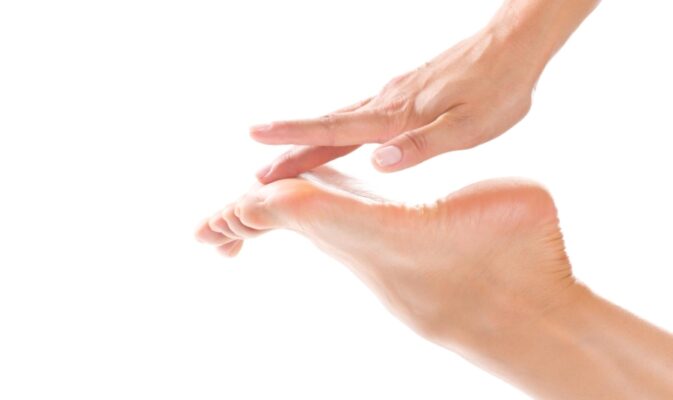
Massage practitioners of modalities like ashiatsu (barefoot massage) or traditional Thai massage, use their feet to apply controlled, deep compression to clients, requiring unobstructed skin contact for pressure regulation.
Harvesting Food Stuffs in Trees
 eBook
eBook
Barefoot climbing in trees for work is very common in primary resource harvesting and traditional trades across tropical and mountainous regions.
It provides necessary tactile feedback, maximum surface grip, and high mobility on surfaces where shoes would slip or obstruct movement.
Some examples hereof are: arecanut and coconut harvesting in India the Philippines, Indonesia (Bali), and Barbados; toddy tapping (harvesting sap wine) in Sri Lanka, Southern India, and Myanmar; and wild fruits, palm nuts, açaí, and honey harvesting in the Amazonian canopies across Brazil, Peru, and Colombia.