

While it’s possible to manage the symptoms of excessive hurrying without specialized, external help, it can sometimes be more effective to connect with a mental health professional, notably when rushing is caused or aggravated by an underlying mental health condition.
 eBook
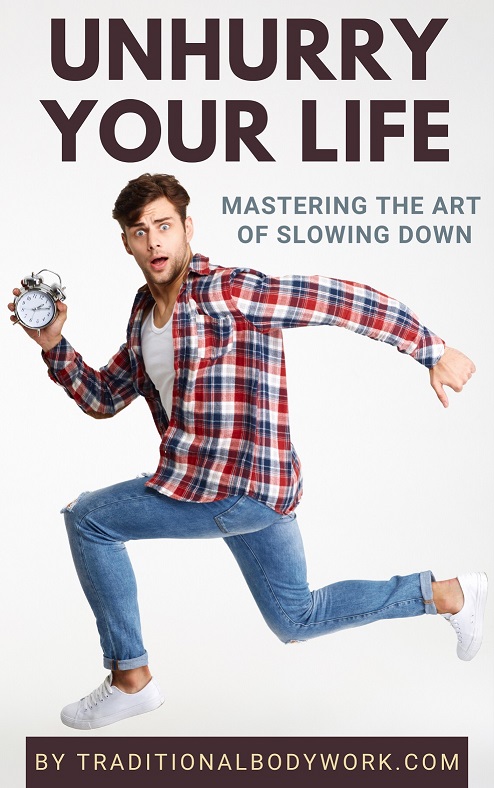
In fact, a cycle of constant rushing is seldom just a time management issue, but more often than not a mental, neurological, and physiological pattern where the brain has got used to translating stillness and calm as an existential threat.
Therefore, if chronic rushing and worrying are causing intense physical distress or emotional exhaustion, know that there are professional therapeutic modalities that offer structured clinical treatment.
Let’s take a look at some of the options:
Cognitive Behavioral Therapy (CBT)
CBT is an effective clinical treatment for removing artificial urgency. It can help you to identify and tackle your cognitive issues and biases by unearthing the underlying beliefs driving your rush.
Mindfulness-Based Stress Reduction (MBSR)
MBSR is an 8-week clinical program that combines mindfulness meditation, body scans, and yoga to structurally alter how your brain processes time-pressure and worry.
It relies on systematic body and mind tracking to pull your mind out of future-oriented worry and ground it into the physical, conscious present.
Acceptance and Commitment Therapy (ACT)
ACT is an innovative psychological intervention and focuses on teaching you to accept your uncomfortable thoughts and your urges to rush without acting on them, while shifting your behavior away from external deadlines and toward your personal core values.
You could see it as a modern form of mindfulness, that is, in the sense of a nonjudgmental approach top the phenomena of the world.
Heart Rate Variability (HRV) Biofeedback
This method uses sensors that measure the precise spacing between your heartbeats.
You are trained using breathing protocols to deliberately shift your heart rhythm out of a panicked, irregular pattern into a regular, smooth state, which sends safety signals to your brain and calms you down.
Somatic Experiencing (SE)
Somatic Experiencing is a body-centered therapy that helps you identify how the urge to rush or the rushing itself physically manifests through shallow chest breathing, clenched jaw, and tight shoulders.
You learn how to manually discharge that built-up physical tension safely so your body can reenter a natural state of rest.
EMDR (Eye Movement Desensitization and Reprocessing)
eBook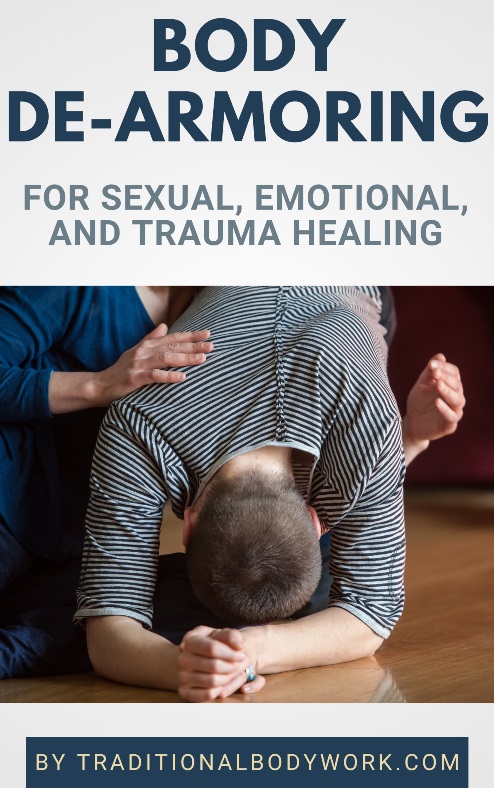
Although EMDR is mostly used for trauma, it’s also used to treat hurry obsession and burnout.
The idea here is that many people hurry because of an underlying, unconscious belief that was formed early in life. Verbally, this would express itself in phrases like “If I slow down, I will fail,” or “I need to be functional, or else I’m not valued.”
A therapist uses EMDR techniques (such as side-to-side eye movements) to help you reprocess and digest these specific core memories and fears, breaking the emotional panic that arises when you try to slow down or sit still.
Vagus Nerve Stimulation (VNS)
The Vagus nerve is the primary path of the parasympathetic (“rest and digest”) nervous system.
VNS is about using non-invasive, transcutaneous devices that convey mild electrical pulses to the nerve via the ear. This stimulation acts as an immediate physical brake system that forces a racing heart to slow down, lowers blood pressure, and brings the body out of an urgent, reactive state.
Psychopharmacology
If “nothing else helps,” physicians may temporarily prescribe targeted medications to restore your neural calm, making it easier for you to engage in the aforementioned therapies.”