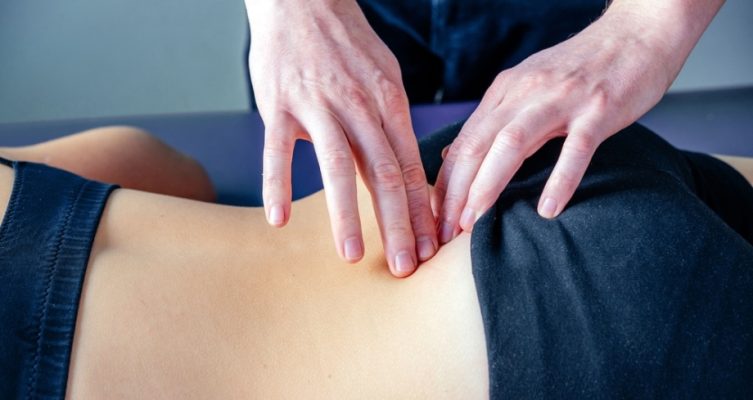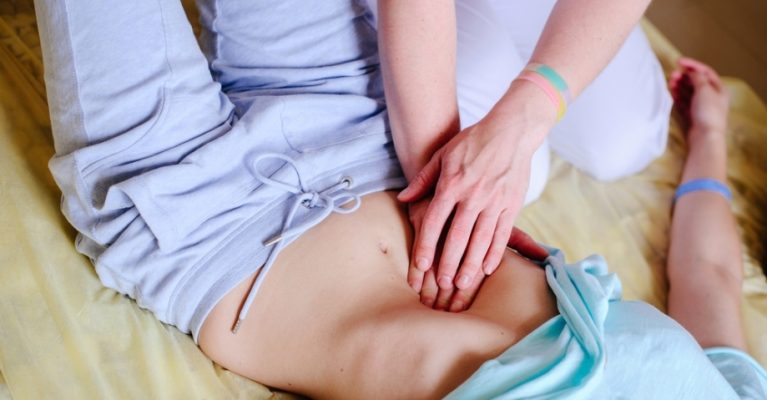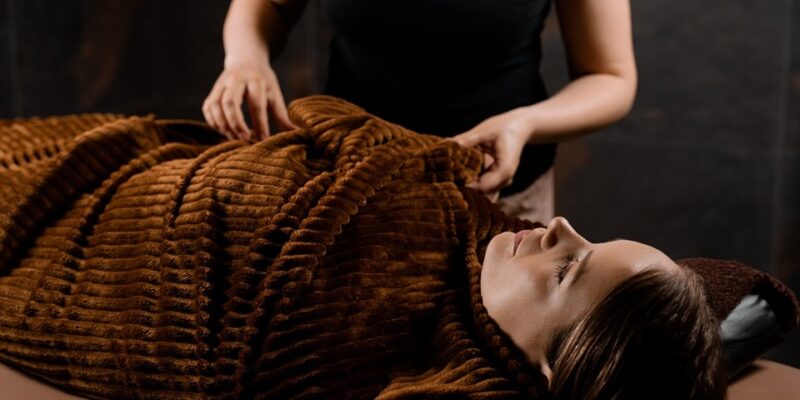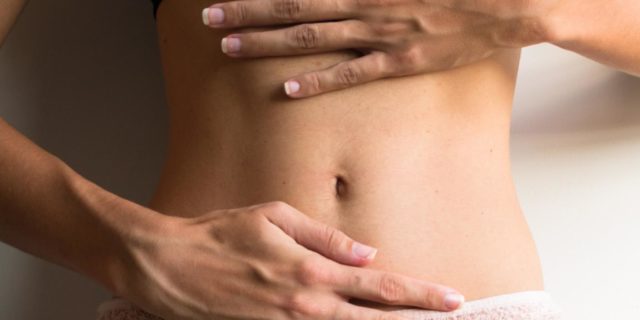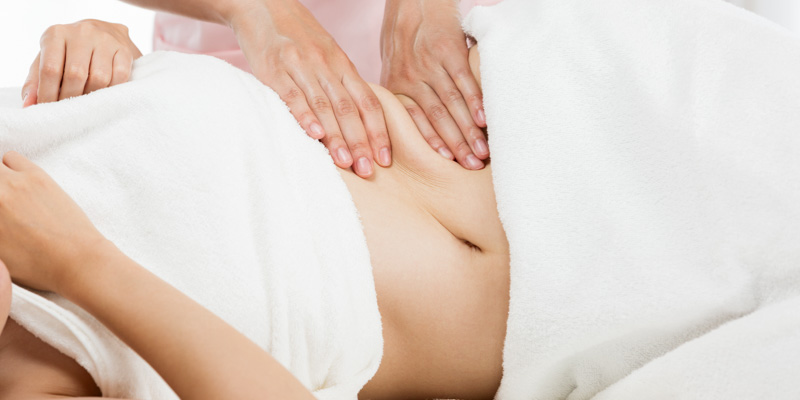


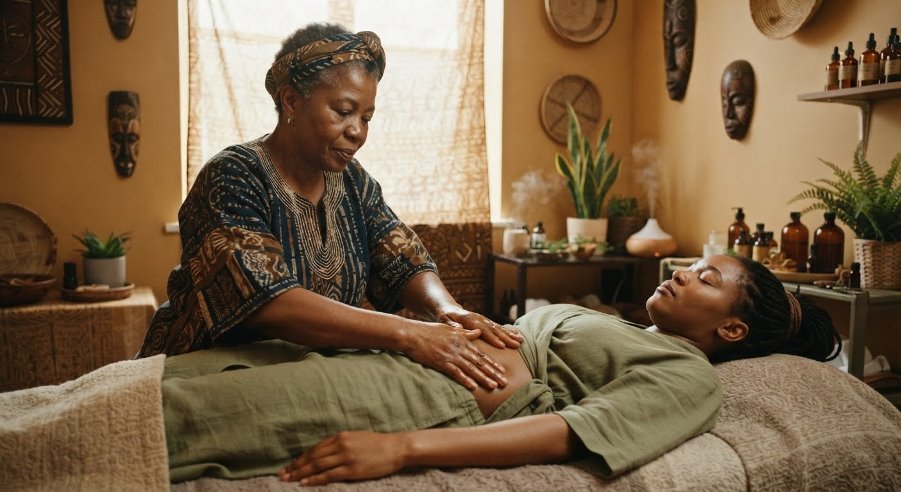
Traditional abdominal massages and abdominal work have deep historical roots across a range of African cultures. Across the continent, the abdomen is traditionally seen as a site for digestion, a center of life force, fertility, and a container for physical and emotional tension.
 eBook
eBook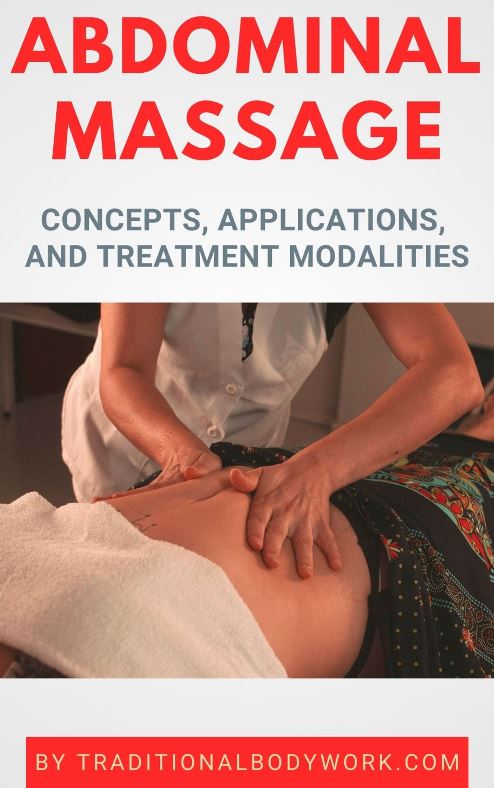
As a rule, African abdominal massage is primarily performed by traditional birth attendants, elder wise women, and traditional healers. Typically, treatments fall into three categories: fertility and conception support, postpartum healing, and general digestive and emotional wellness.
In Africa, there’s also a traditional practice of using abdominal massage for deliberate abortions, but that’s another “line of business.”
But, let’s take a look at some examples of the various types of applications of abdominal massage in Africa. Please, keep in mind that this is just a small selection of a broad range of different techniques and abdominal work used across the continent.
Postpartum Realignment and Healing
eBook
In many African traditional medicine frameworks, a woman’s body is considered vulnerable after giving birth. Intense focus is given to sealing i.e., closing the body and guiding internal organs back to their proper place.
Hammam Nfissa (Morocco/North Africa)
Hammam Nfissa (also written as Hammam En-Nfissa) is a highly ritualized North African post-birth recovery tradition.
It involves intense heat, herbal steams, steam baths, and gentle abdominal massage specifically designed to soothe the uterus, reduce swelling, and help the pelvic organs settle back into place.
The ritual goes hand-in-hand with restorative traditional foods prepared by the family and energy-boosting sweets.
Belly Binding and Wrap Rituals (West and East Africa)
In regions like Nigeria, Ghana, and Kenya, deep abdominal massage using warm oils (like shea butter) and/or heated compresses is combined with tight cloth wrapping i.e., abdominal binding.
This structural support of the abdominal region helps the separated abdominal walls pull back together, while it aids the uterus in shrinking.
Uterus Massages and Closing Ceremonies
Similar to South American and Mesoamerican practices, traditional healers across the African continent utilize warm-oil abdominal manipulation.
This is usually followed by a “Bone Closing” ceremony where the woman’s hips and lower abdomen are tightly bound with cloth to conceptually and physically lock her energy back into her center.
Fertility and Conception Support
eBook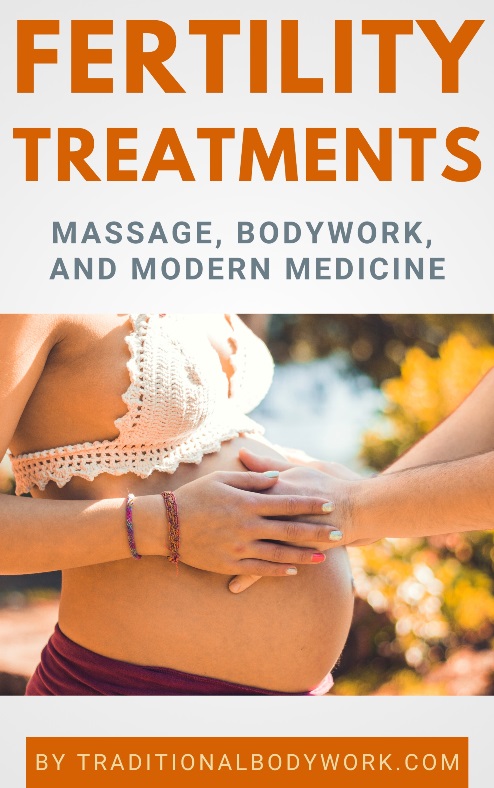
Abdominal massage is widely practiced across Sub-Saharan Africa to prepare a woman’s body for pregnancy.
Traditional practitioners use strong, rhythmic strokes on the lower abdomen to reposition what they identify as a displaced or misaligned uterus, which they believe blocks conception.
These types of fertility massages are often combined with:
Heated Weights and Herbal Compresses
In this practice, practitioners use heavy, hot water bottles or heated herbal compresses applied to the abdomen to relax the deep core muscles before deep tissue work.
Vaginal and Uterus Steaming
Sitting over a pot of steaming, medicinal herbs to enhance blood flow and soften the pelvic area before abdominal manipulation.
Traditional Digestive and Emotional Work
eBook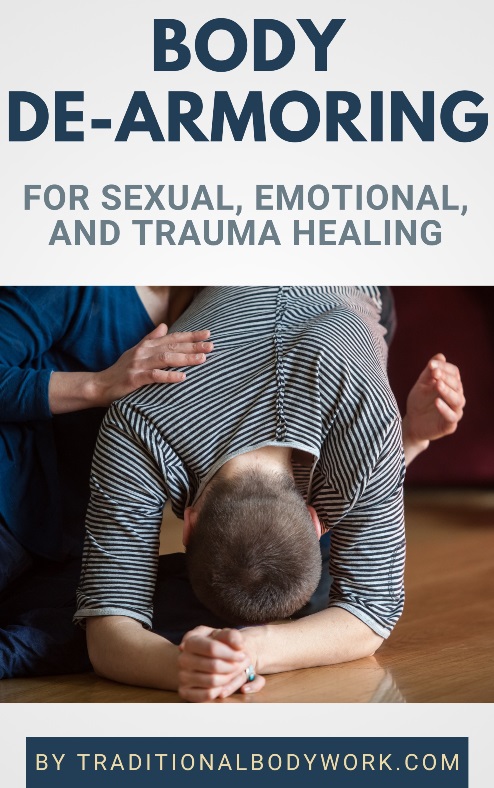
Abdominal massage and bodywork is also a common remedy for structural physical and emotional digestive health conditions like chronic constipation, gas, and trapped emotions or trauma.
Clockwise Kneading
Traditional healers use deep circular patterns that mimic the path of the large intestine to stimulate peristalsis and manual waste elimination, while expulsing unresolved, trapped emotions.
Rungu Massage (East Africa)
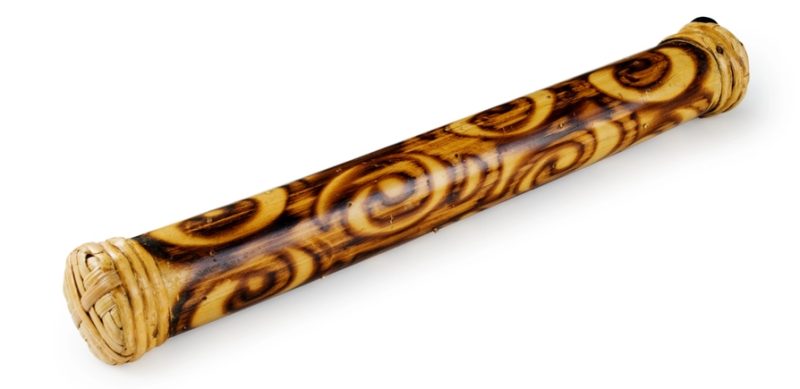
Rungu massage incorporates a heavy, carved wooden stick called a rungu. While not only abdominal, practitioners use this tool also for the abdominal region to apply rhythmic, rolling pressure to muscle groups, occasionally incorporating the torso to release deep-seated physical and emotional tension.
Egyptian Abdominal Work
Rooted in ancient traditional care, these techniques use gentle, sweeping strokes and localized pressure over the abdominal area and torso to rebalance energy and soothe the nervous system.
Congolese Abdominal Work
This type of bodywork uses more dynamic, rhythmic, and sweeping movements over the entire torso to release what is traditionally seen as stagnant or blocked vital energy.