
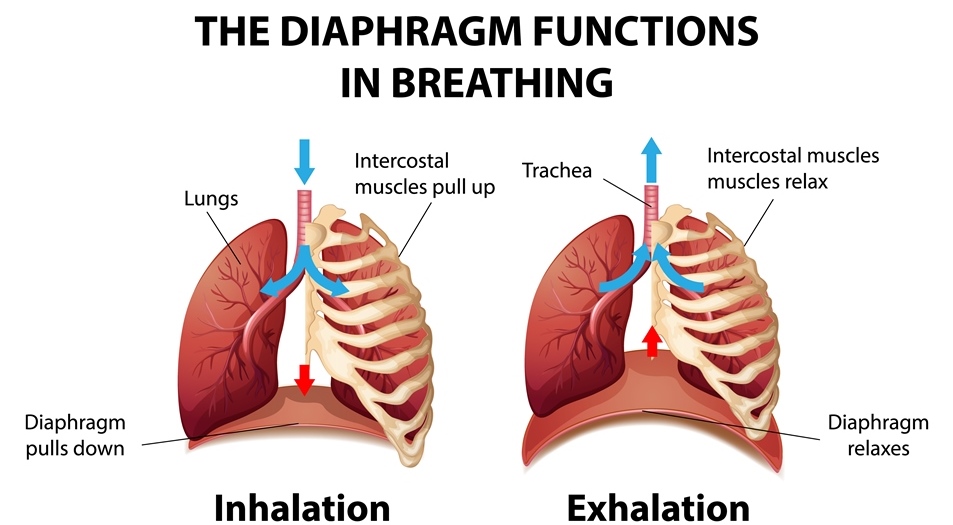
The diaphragm is the primary muscle of respiration, located right below the lungs and heart, and separating the thoracic cavity from the abdominal cavity.
 eBook
eBook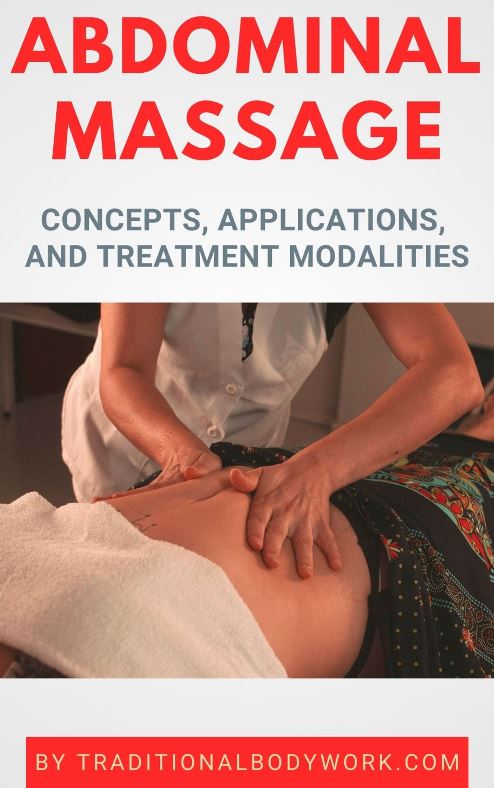
When the diaphragm becomes tight, stiff, tensed, restricted, or hypertonic (excessive tone) due to poor posture, chronic stress, respiratory conditions, or visceral restrictions, diaphragmatic mobilization may be applied to help free it.
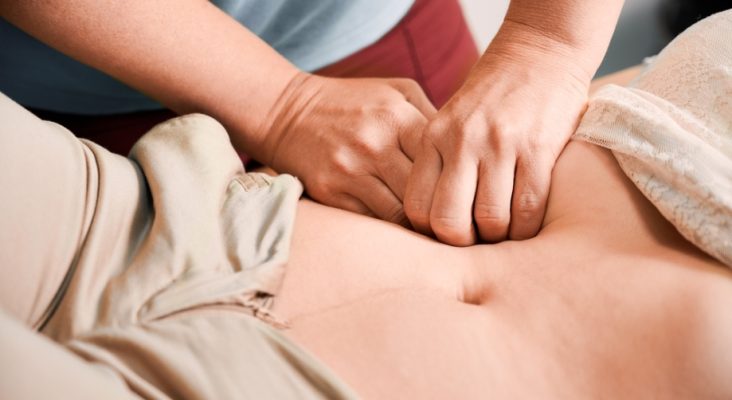
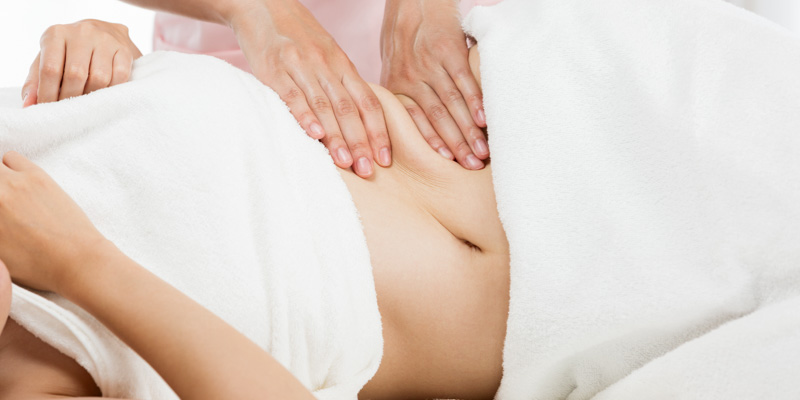
Diaphragmatic mobilization is a manual therapy, or alternatively a specialized self-help exercise, used to release tension, improve the range of motion, and restore optimal function of the diaphragm muscle.
In general, physical therapists, chiropractors, osteopaths, or specialized massage therapists perform the treatment, but it can also involve self-mobilization exercises.
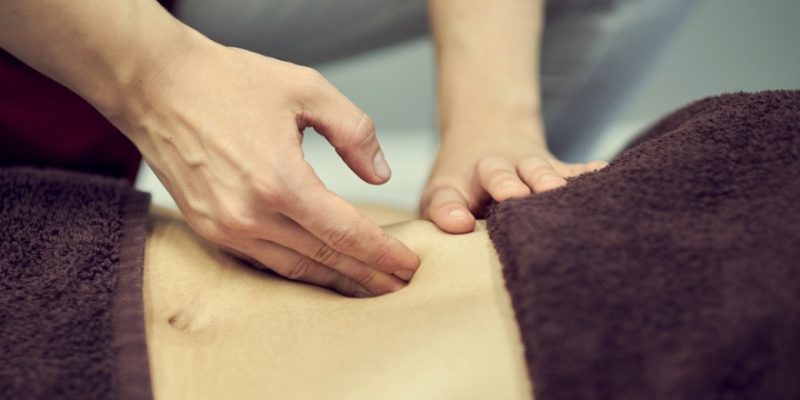
Therapists would hook their fingers gently under the costal margin (lower ribs) during exhalation of the patient, while applying subtle traction to release restrictions in the diaphragm. Often, the patient will accompany the therapist’s work with specific actions, for instance inhaling deeply against the resistance of the therapist’s hands, or contracting the abdomen to help stretch the muscle dynamically.
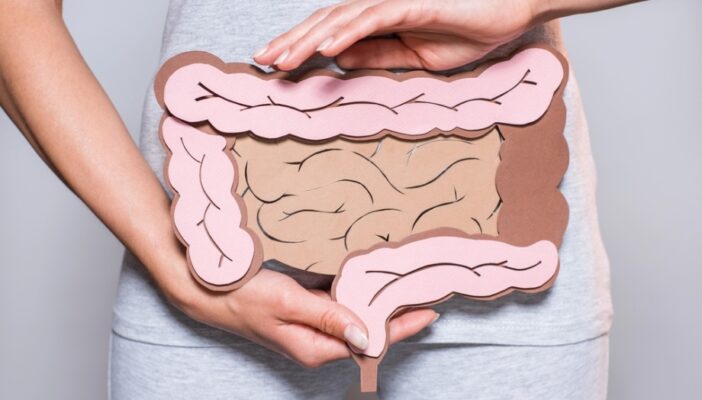
Diaphragmatic mobilization improves lung capacity and hence oxygen efficiency, stimulates the vagus nerve into a “rest-and-digest” state, and reduces tension around the internal abdominal organs. In addition, it can support to regulate intra-abdominal pressure, which can help to reduce chronic lower back or pelvic pain.