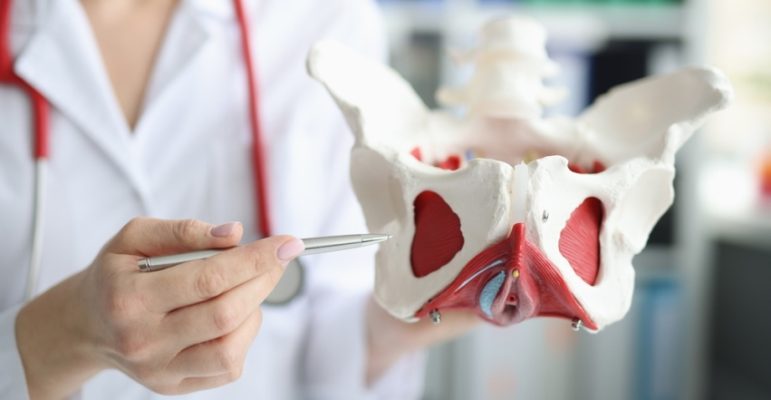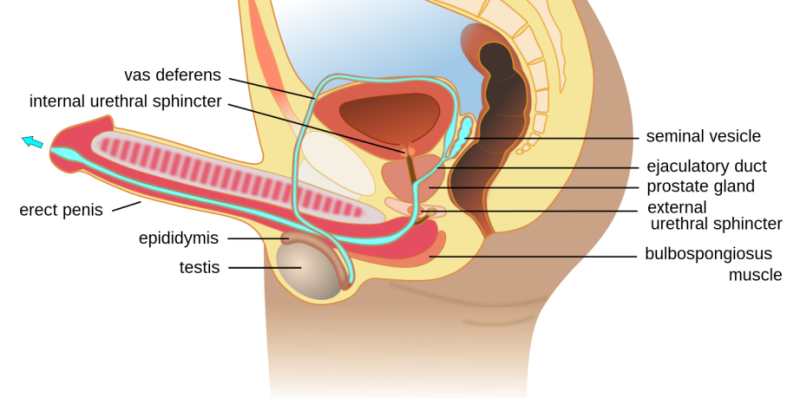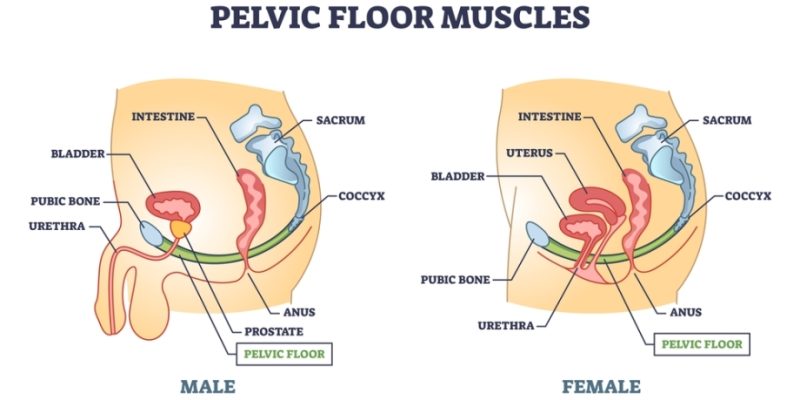


The pelvic floor is the group of muscles located in the lower pelvic area and stretch from the pubic bone at the front to the coccyx (tail-bone) at the back, and from side to side.
The pelvic floor muscles work together with abdominal muscles, back muscles, and the diaphragm to stabilize and support the spine and support the correct position of internal organs.
 eBook | Click for details
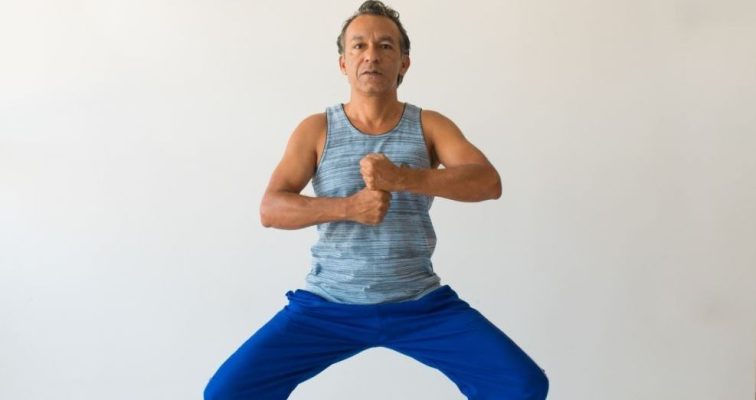
Pelvic floor muscles exercises and pelvic floor massages can help strengthen the muscles near and around the bladder, prostate, uterus, vagina or penis, and the back. To be clear: both men and women can do or receive pelvic floor exercises and massage.
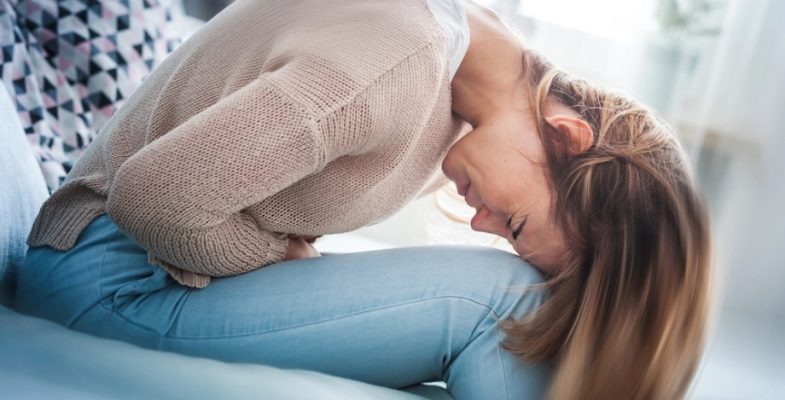
Strengthening the pelvic area can help stop incontinence, support better urine flow, treat prolapsed organs, keep or realign organs in their proper locations, alleviate general pelvic pains, diminish painful sex, promote prostate health, stimulate emotional and trauma release, and resolve urinary tract issues and constipation, among other health benefits.
As for the prostate, pelvic floor exercises and massage support prostate health by strengthening and relaxing the muscles that support the bladder and surround the prostate gland. Keep in mind that these treatments don’t physically shrink the prostate gland, but they are effective at managing the symptoms of health conditions such as an enlarged prostate (BPH) and prostatitis, alongside giving support to more rapidly recover from prostate surgery.
eBook | Click for details
In fact, increased muscle tone in the pelvic region can improve blood flow and nerve responsiveness, which can likewise potentially aid in alleviating or resolving erectile function and poor ejaculation control.
Additional reasons to pay attention to the pelvic floor muscles are weakening of the area due to surgery, aging, pregnancy, childbirth, or excessive strains caused by, for instance, constipation, chronic coughing, or being overweight.
In the West, Kegel pelvic floor exercises are well known, but you’ll also find quite some traditional Asian treatments that support building strength and vitality of the pelvic floor muscles. But it’s not about strengthening only — an important other goal is to release tension of the pelvic floor enabling better blood supply and circulation for genital organs in the area.
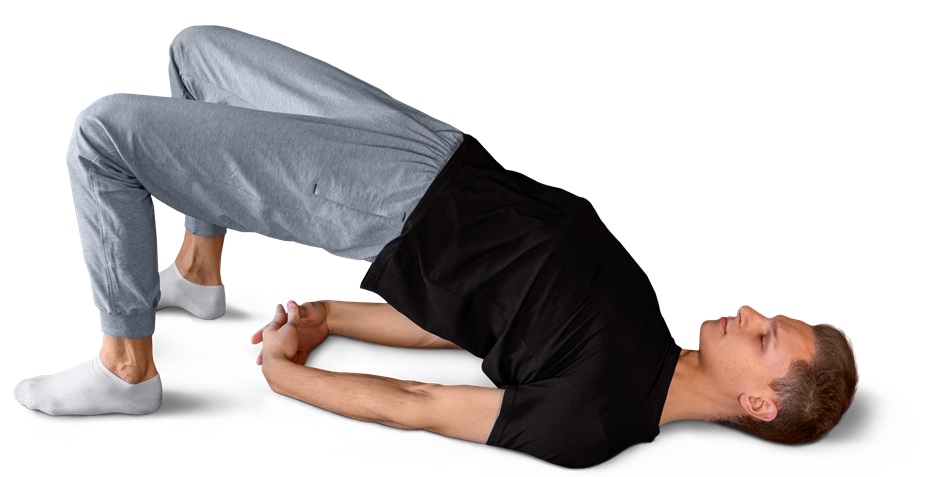
As for traditional Asian self-care exercises that occupy themselves with pelvic health, think of specific exercises within Indian yoga (such as the Bridge Pose displayed in the lead image of this post), Chinese (Medical) Qigong, and Reusi Dat Ton (Thai Yoga), or other treatments such as Vaginal Steaming, Jade Egg Exercises, and Abdominal Binding.
eBook | Click for details
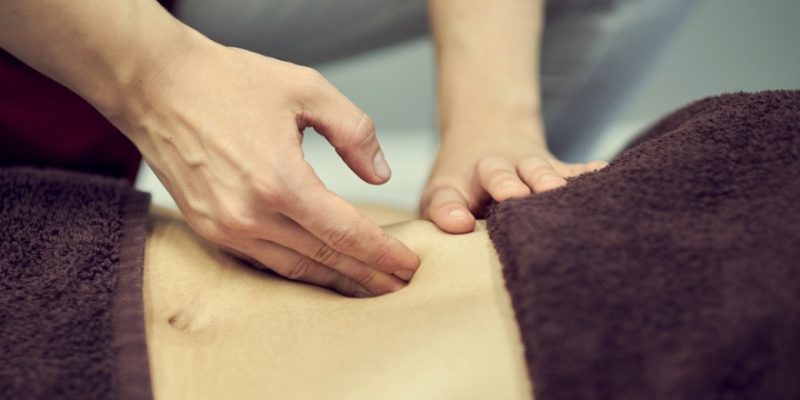
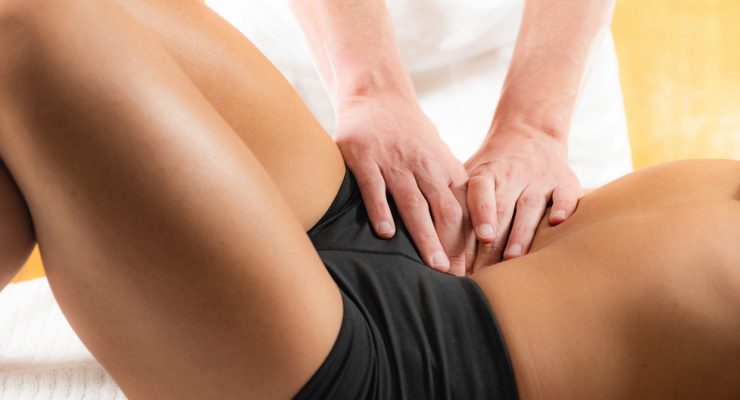
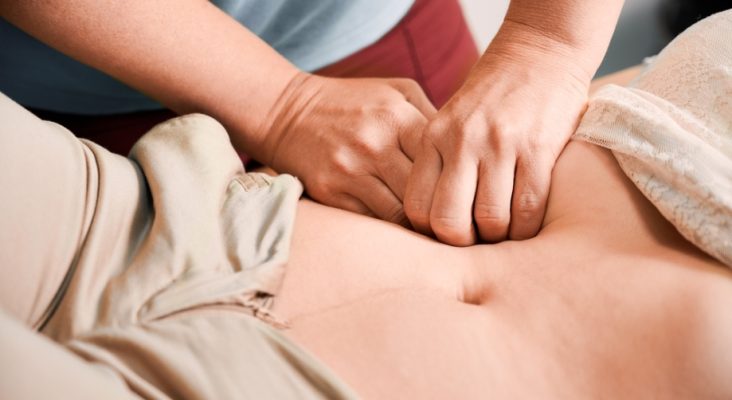
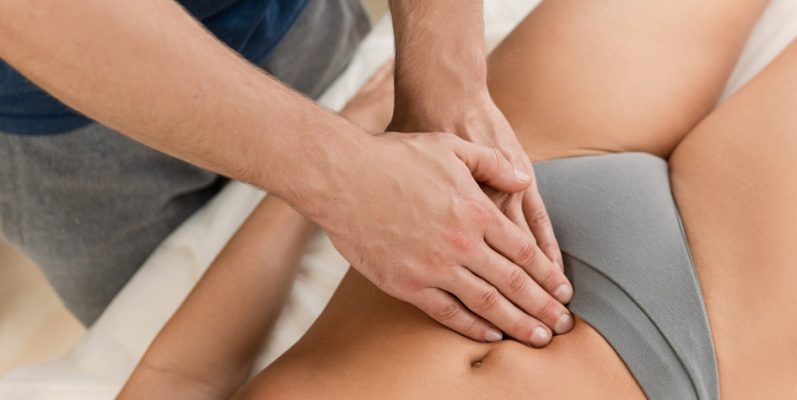
Pelvic massages and specific pelvic floor massages can consist of external and/or internal work. External massage focuses on connected muscles and other soft tissues, including the inner thighs, glutes, hip flexors, and lower abdomen. Internal massages are performed via the rectum or vagina to directly access deep muscles that cannot be reached through the skin.
Modern, Western types of pelvic massage therapies include Myofascial Release, Trigger Point Therapy, Perineal Massage, Holistic Pelvic Care, and Rolfing, to just name a few treatment modalities.
Additionally, a range of Asian traditional massages support, stimulate, or heal the pelvic region, such as various postpartum massage modalities, and abdominal and genital massages, such as Chi Nei Tsang Abdominal Massage, Japanese Ampuku Abdominal Massage, and Karsai Nei Tsang.