


A holistic approach to healthcare practices is about collecting and considering broad, all-inclusive and integral information about a client’s physical, mental, spiritual, emotional, cultural, and social situation in order to provide effective, safe, and individualized support or treatments.
 eBook
eBook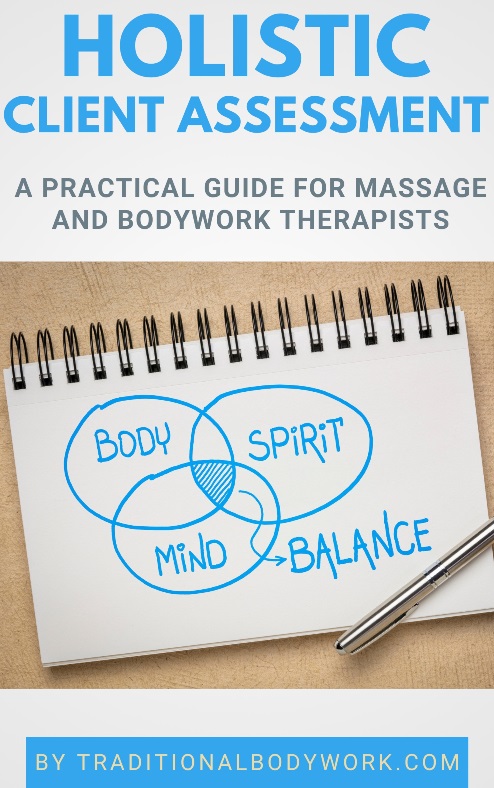
It involves considering a client as a multi-faceted “entity,” a complex person and being, rather than only focusing on their specific complaints, symptoms, or health condition. The idea here is that a holistic “whole-person” approach will make for adapted treatments and services and subsequently more successful health outcomes.
In addition, a holistic health care approach should make sure that a client or patient is not only expected to just “undergo” a treatment (or consult) as a mere “object,” but also that adequate informational, educational, practical, psychical, spiritual, emotional, culturally congruent and trauma-informed support and appropriate aftercare is being supplied. This to underline the client’s autonomy and worthiness and to facilitate means for independent decision-making in order to increase the chances of a successful treatment and improve the client’s overall feelings of wellbeing and health.
In fact, efficient and effective health care can solely come about through a holistic approach, which means that it’s not just about carrying out “medical acts,” such as supplying medication or performing surgery, but also about treating a person with dignity and respect, recognizing the uniqueness of each human being, an individual that needs and values a whole approach, one that takes their whole being into account, and not only one of their “dissected parts.”