


You see, I’ve been noticing this many years now, perhaps a decade or so, I don’t know, but everything seems to have become 50-50.
I mean, for instance, governmental elections around the world end in 49% for this candidate or party and 51% for the other one. Or, people are totally against this or totally against that, also often around 50-50. In addition, there seem to be only two standpoints on every topic.
But, let me tell you something. This is not just my imagination. The sensation that the world is locked into a perpetual 50/50 split is really not just an illusion — it’s a documented systemic and psychological phenomenon.
 eBook
eBook
According to computational sociology models and global risk analyses, modern society has reached a kind of tipping point where complex human opinions are actively funneled into two opposing, equal-sized camps.
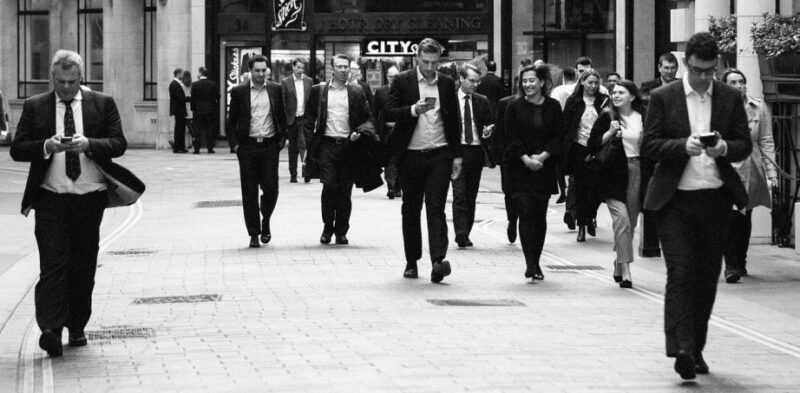
In fact, what happens is cognitive fatigue mixed with survival instinct; when people are overwhelmed and terrified, nuance feels like a luxury they can’t afford. The world has become impression-overload, or information-overload, if you like. And people don’t have time any longer to think things through. The world is… hurry, speed, and more hurrying.
Deciding how to feel about complex issues like global economics, this war or that war, climate shifts, or immigration requires immense time, research, and mental energy. But people are exhausted from daily life, and their brains look for mental shortcuts.
In addition, when people are scared — whether it’s about their finances, their safety, or their culture changing too fast — their brain enters a state of “fight or flight.” And anything that promises them a “sure way out” is welcome.
In a world that feels unstable, standing in the middle ground makes people feel exposed and isolated. If they think “Well, I see good points on both sides,” extremes will attack them or reject them. By contrast, picking a “tribe” gives people an instant community. It gives them a sense of belonging and a clear script to follow so they never have to feel lost or alone in the chaos.
eBook
Nevertheless, people aren’t necessarily deeply committed to the rigid logic of extreme duality; they are just overwhelmed, frightened, and looking for a safe harbor in a very loud world, and just pick one or two of the issues one of the opposing views stands for and they agree with — and then take a side.
The problem is that extreme views or standpoints are limited. In the end, the world is not black or white. It’s never been. And going for extreme “solutions” actually always has a severe backlash, simply because too many things have been left out or haven’t been thought through.
Extremism destroys the very nuance we require to solve complex problems. It inevitably harms people, society, and the planet. When a system forces people into binary extremes, it burns down the cooperative ground needed to build anything sustainable.