

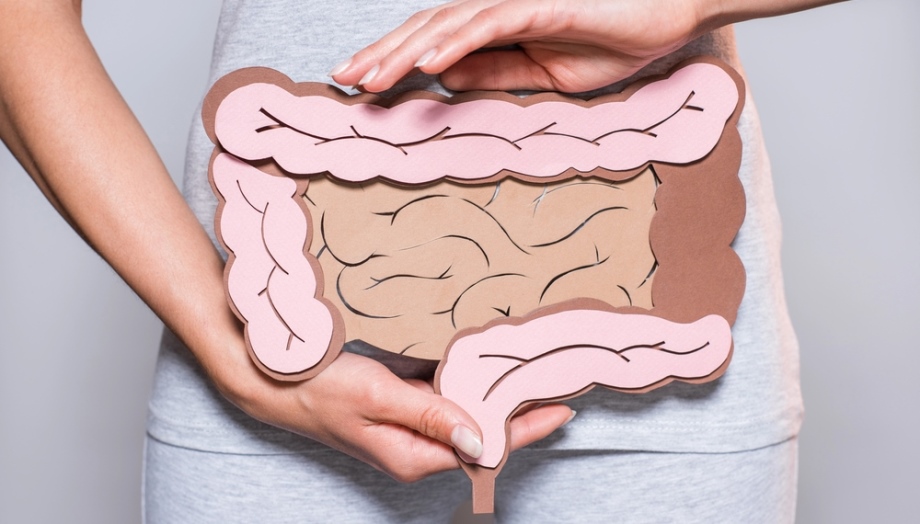
With regard to conscious body listening (i.e. conscious body awareness), internal organs attunement relates to paying attention to and understanding your internal organ systems, which include your:
- circulatory system (heart and blood vessels);
- lymphatic system (such as lymphatic vessels, lymph nodes, tonsils, thymus, spleen);
- immune system (a complex set of components and processes that work together to protect the body from infections and diseases, such as white blood cells, antibodies, the inflammatory response, bone marrow, the thymus, lymph nodes, skin, tonsils, etc.);
- urinary system (kidneys, ureters, and bladder);
- digestive system (mouth, food pipe, stomach, intestines, and associated organs like the liver, pancreas, and gallbladder).
It also comprises of the inner portions of your respiratory system, which consist mainly of the throat, voice box, windpipe, bronchi, diaphragm, chest cage, and lungs. However, I’ll skip the respiratory system in this post because I addressed it as part of breath attunement.
 eBook
eBook
Your internal organ systems are primarily affected by the type of food you consume, by movement (physical activity), by restrictions or muscular tensions, and by external influences such as pathogens, environmental temperature, seasonal changes, air quality, the furniture and equipment you use, and stress. They may also be directly affected by illness or medication.
By attentively noting what you eat, you can learn how your internal body reacts to certain foods. It’s important to remind you here that it needs continuous attention, because your body changes over time, and what you could eat and drink without any issues before, may now start to give health problems.
When you eat, your body reacts immediately. You may experience rumbling, discomforts, pain, tensions, or by contrast — everything may feel perfectly fine and satisfactory. The type of food you consume may lead to diarrhea, constipation, fatigue, intestinal and stomachaches, excessive gas, acid reflux, and whatnot.
In addition, you may have allergies or food intolerances, which can manifest as illness, skin itching and rashes, breathing difficulties, a runny nose, and more.
Insufficient movement of your body (a lack of regular physical activity) may lead to digestive disorders. For instance, it can lead to slower intestinal motility, constipation, bloating, buildup of gas, waste removal issues, reduced blood flow to the digestive organs, and abdominal pain.
A lack of bodily movement can also lead to poor blood circulation, which can affect the temperature of your body or body parts, waste removal, your immune system, hearth health, vitality, cause dizziness, and reduce the distribution of nutrients across your body, among other things.
eBook
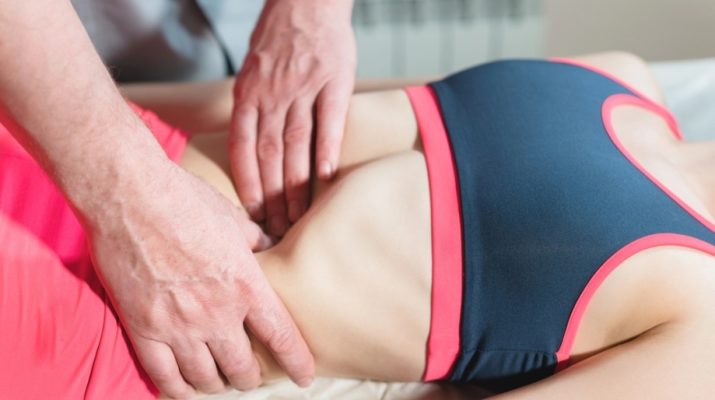
Muscular tensions and other restrictions in your body (such as scar tissue, pinched nerves, and soft tissue knots), may cause pains, a restricted blood flow, and insufficient internal organs function. Tensions and restrictions may be caused by poor posture, a lack of regular body movement, inappropriate furniture, excessive repetitive use of certain body parts, and, of course, by emotional and mental stress or anxiety.
External influences may cause viral or bacterial infections, poor blood circulation, immune system problems, breathing and lung issues, or muscular tensions, to give some examples.
Now, it’s certainly not my intention to provide a comprehensive biological overview of internal body systems or their interactions with each other and external influences. The above are just a few examples, and far from all there is to say about it.
My point is rather to make you aware of the specific parts of your internal body that need to be consciously “listened to,” while keeping in mind that food, movement, tensions/restrictions, and external influences all play an important role in their function and health.