
Introduction
Male fertility plays a big role in starting a family, yet many men face challenges without knowing why. Factors like lifestyle, health, and environment can affect sperm quality and hormone balance. In this article, we explore common causes of infertility and share modern wellness treatments that help men boost fertility naturally and effectively.

Key Takeaways
- Support Sperm Health: Eat nutrient-rich foods and maintain a balanced lifestyle.
- Avoid Harmful Habits: Quit smoking, limit alcohol, and manage stress for better fertility.
- Get Tested Early: Semen analysis and hormone tests reveal your reproductive health.
- Use Modern Treatments Wisely: Medications, surgery, or IVF can improve fertility outcomes.
- Boost Naturally: Exercise, sleep well, and take supplements to strengthen sperm quality.
Male Fertility and Modern Wellness Treatments
Male fertility depends on sperm count, motility, and hormone balance
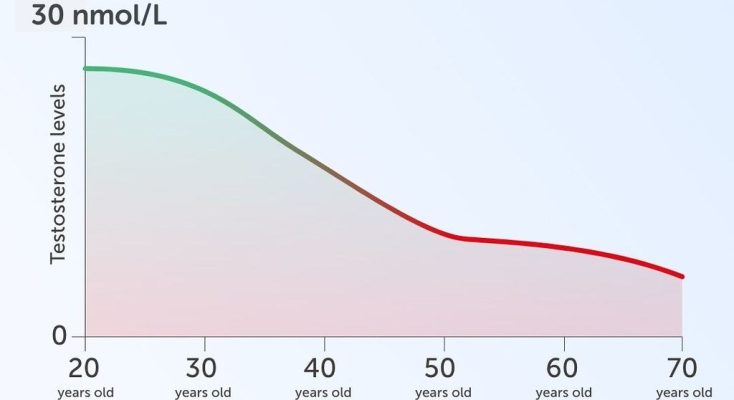
Male fertility relies heavily on sperm count, motility, and balanced hormones working together. A higher sperm count increases the chances of reaching the egg, while strong motility helps sperm swim effectively. Hormones like testosterone control sperm production, so any imbalance can reduce fertility. Poor sperm quality can make conception difficult even if other factors seem normal. Men can support reproductive health by maintaining a balanced lifestyle, managing stress, and eating nutrient-rich foods. Regular health checkups also help detect early issues and keep hormone levels stable for better fertility outcomes.
Poor lifestyle habits like smoking, alcohol, and stress reduce fertility
Unhealthy habits like smoking and alcohol directly harm sperm quality and reduce overall fertility. Smoking damages sperm DNA and lowers count, while alcohol disrupts hormone levels that control reproduction. Stress adds another layer of harm by reducing testosterone and weakening sperm performance. These habits often combine to create long-term fertility issues. The good news is that positive lifestyle changes can reverse many of these effects. Quitting smoking, limiting alcohol, managing stress, and following a healthy routine can significantly improve sperm health and restore hormonal balance over time.
Low sperm count, hormonal issues, and infections are main infertility causes
Several key issues can lead to male infertility, including low sperm count, hormonal imbalances, and infections. Low sperm count reduces the chances of fertilization, while hormone problems interfere with sperm production. Infections can damage reproductive organs and affect sperm quality. Some men notice symptoms like pain, swelling, or reduced libido, but others may not see clear signs. These conditions often respond well to early treatment, so seeking medical advice at the right time becomes important. Identifying the root cause helps doctors choose the best treatment and improve fertility outcomes effectively.
Semen analysis, hormone tests, and genetic screening reveal fertility health
Doctors use several tests to understand male fertility health in detail. Semen analysis checks sperm count, movement, and shape, giving a clear picture of reproductive potential. Hormone tests reveal whether testosterone and other hormones support normal sperm production. Genetic screening helps identify inherited issues that may affect fertility. Not every man needs all tests, but doctors recommend them based on symptoms and history. These tests provide accurate insights and guide treatment decisions. Most procedures remain simple and non-invasive, helping men quickly understand their fertility status and take the right steps forward.
Medications, surgery, and IVF can effectively treat male fertility problems
Modern treatments offer effective solutions for many male fertility problems. Doctors often prescribe medications to balance hormones or improve sperm production. In some cases, surgery corrects physical issues like blockages or varicoceles. IVF provides another option by combining sperm and egg outside the body, increasing chances of conception. Treatment success depends on the underlying cause, age, and overall health. Some men see results quickly, while others need longer treatment plans. With proper diagnosis and guidance, these medical approaches can significantly improve fertility and help couples achieve pregnancy.
Healthy diet, regular exercise, and supplements improve sperm quality naturally
Natural lifestyle changes play a powerful role in improving sperm quality. A healthy diet rich in fruits, vegetables, and antioxidants supports sperm production and protects cells from damage. Regular exercise improves blood flow and boosts hormone levels, while maintaining a healthy weight enhances fertility. Some men also explore complementary methods, such as red light therapy on testicles, which may help improve circulation and support sperm health. Supplements like zinc and vitamin C may further support sperm quality when used correctly. These changes do not work overnight, but consistent effort shows results over time. Following a balanced daily routine with proper sleep, nutrition, and activity helps men build stronger reproductive health naturally.
Common Causes of Male Infertility
Low Sperm Count
Low sperm count means the semen has fewer sperm than needed for fertilization, lowering fertility chances. Factors like smoking, alcohol, stress, obesity, and poor diet can reduce sperm production. Infections or medical conditions may also cause low sperm levels. Doctors confirm the condition with a semen analysis, which measures sperm concentration. Men can improve sperm count through a nutrient-rich diet, regular exercise, stress management, and avoiding excessive heat on the testes. In some cases, doctors prescribe treatments or supplements that help restore healthy sperm production and increase the likelihood of conception.
Poor Sperm Motility
Poor sperm motility occurs when sperm cannot swim properly toward the egg, reducing the chance of fertilization. Lifestyle habits like smoking, alcohol, lack of exercise, and stress often slow sperm movement. Certain infections and health conditions can also affect motility. Doctors identify this problem through a semen analysis that measures how well sperm move. Improving diet, staying active, and reducing stress can boost motility. Hydration and antioxidants support better sperm function. In some cases, medical treatments may enhance movement, helping sperm reach the egg more effectively and increasing the chances of successful conception.
Abnormal Sperm Morphology
Abnormal sperm morphology means sperm have unusual shapes, making it harder to fertilize the egg. Genetics, poor lifestyle habits, and exposure to toxins often cause these defects. Doctors detect morphology issues using detailed semen tests that examine sperm structure. Improving diet, avoiding chemicals, quitting smoking, and taking antioxidants can help produce healthier sperm shapes. While some abnormal sperm are normal, boosting overall sperm quality can increase fertility chances. In some cases, medical treatments assist with conception when morphology is a major concern. Healthy habits combined with treatment can make a meaningful difference in reproductive success.
Hormonal Imbalances
Hormonal imbalances disrupt signals that control sperm production, reducing fertility. Low testosterone or issues with hormones from the brain can affect sperm development. Stress, obesity, and certain medical conditions often trigger these imbalances. Doctors diagnose problems with blood tests that measure hormone levels. Maintaining a healthy weight, managing stress, and sleeping well can naturally support hormonal balance. In some cases, doctors recommend medications or hormone therapy to restore normal levels. Once hormones stabilize, sperm production often improves, increasing the chance of conception. Early detection and treatment are key to achieving fertility success.
Varicocele and Testicular Disorders
Varicocele is a condition where veins in the testicles enlarge, raising temperature and harming sperm production. Other testicular disorders like infections, injuries, or developmental issues can also reduce fertility. Symptoms may include swelling, discomfort, or decreased sperm quality. Doctors diagnose these problems through physical exams and imaging tests. Treating varicocele often involves minor surgery, which can restore sperm health. Men can also protect testicular health by avoiding heat exposure and maintaining a healthy lifestyle. Early diagnosis and proper treatment significantly improve fertility outcomes and support long-term reproductive health.
Genetic and Chromosomal Issues
Genetic and chromosomal problems can play a major role in male infertility. Some men inherit mutations that affect sperm production or quality, making conception difficult. Conditions like Klinefelter syndrome or Y chromosome microdeletions can reduce sperm count or cause abnormal sperm. Even small genetic changes may impact fertility without obvious symptoms. These issues can be diagnosed through genetic testing and counseling, helping couples understand their options. Awareness of family history also matters, as inherited factors increase risk. Early detection allows doctors to suggest treatments like assisted reproductive techniques to improve chances of fatherhood.
Lifestyle and Environmental Factors
Daily habits and surroundings significantly influence male fertility. Smoking, heavy alcohol use, and drug abuse can lower sperm count and motility. High stress levels, lack of sleep, and poor diet also harm reproductive health. Exposure to chemicals, pesticides, or radiation can further damage sperm DNA. Even excessive heat from laptops or hot baths may reduce sperm quality. Regular exercise, a balanced diet, and avoiding harmful substances support healthier sperm. By identifying and adjusting risky lifestyle choices, men can improve their fertility naturally and increase the likelihood of successful conception.