

 Find themed health, wellness, and adventure holidays around the world.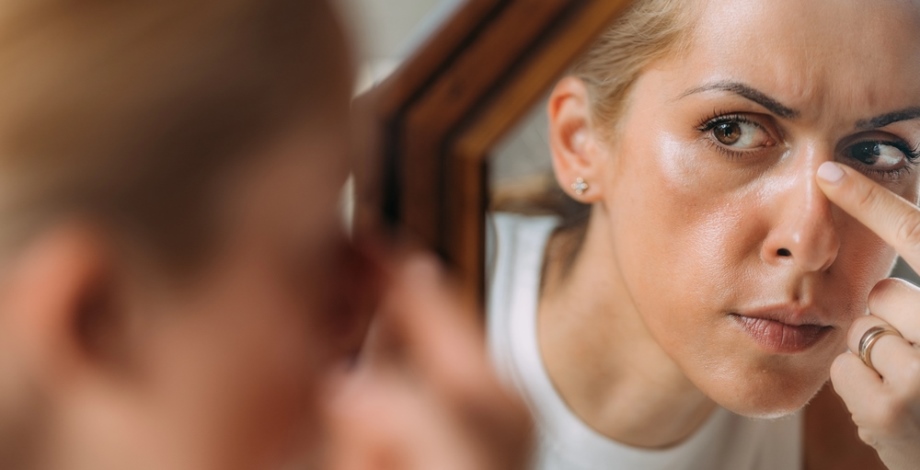
Body Dysmorphia, officially/medically called Body Dysmorphic Disorder (BDD), is a mental health condition where a person becomes excessively preoccupied with perceived flaws in their physical appearance.
The most common focus areas of obsession are facial features (especially the nose), the skin, hair, wrinkles, muscle size, body shape and size, but it can involve any body part.
 eBook | Click for details
These “flaws” are often minor or invisible to others, but cause significant distress and interference with the person’s daily life, leading to repetitive behaviors like constant grooming, mirror-checking, skin-picking, continuously seeking reassurance, or social avoidance.
BDD is much more intense than normal vanity, resulting in individuals feeling that their perceived defect(s) make(s) them ugly, deformed, or “abnormal,” which can lead to conditions such as depression, anxiety, self-harm, eating disorders (anorexia, bulimia, or binge‑eating disorder), social anxiety disorder (also known as social phobia), obsessive-compulsive disorder, and suicidal thoughts.
Of those who suffer from BDD, many seek plastic/cosmetic surgery or other treatments to change their perceived defects, but the reality is that psychological relief is usually only temporary.
The causes of and risk factors for BDD are thought to include: genetics (a family history of BDD, OCD, or depression), brain chemistry (abnormal serotonin levels), trauma (childhood bullying, teasing, or abuse), and/or cultural pressures (maxxing ideology, unrealistic beauty standards, and media influence).
Common treatment options include Cognitive Behavioral Therapy (CBT), Exposure and Response Prevention (ERP), medication, and joining support groups.












 Find themed health, wellness, and adventure holidays around the world.