



Facepulling — also written separately as face pulling — is a practice that has two meanings:
- a strength training exercise (typically found in gyms) for posture, upper back, and shoulder health, and
- a debatable looksmaxxing technique (also called thumb pulling) that aims at reshaping the face by moving the upper jaw forward and up for a better aesthetic look and improved breathing capacity.
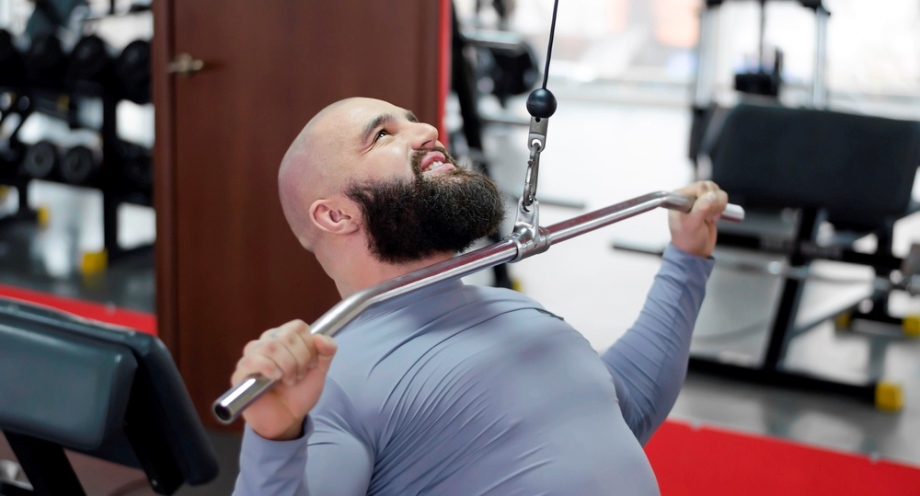
The facepulling weight/resistance exercise in the gym uses cables and a grip to strengthen upper back muscles. It’s often performed standing using a cable machine and rope attachment, while pulling the rope/cable in the direction of the face, with the elbows widening outwards (hence, the name “face pulling”). The exercise can also be performed seated or with the use of resistance bands.
 eBook | Click for details
All in all, this exercise builds muscle and improves posture, and is an effective and recognized strength training or alternatively rehabilitation exercise.
By contrast, the facepulling looksmaxxing technique — typically applied by men — is something entirely different. It involves applying continuous upward and forward tension/pressure to the palate (the roof of the mouth) with the thumbs or specific orthodontic facepulling objects, (often used alongside mewing), to promote forward bone growth, correct teeth alignment, and jawbone/jawline remodeling.
The final goal of this looksmaxxing type of facepulling is to achieve more prominent cheekbones, a wider smile, a better (chiseled) jawline, and also improved breathing. Although this technique claims to physically reshape bone, it’s highly debated for effectiveness in adults.