


To be effective, conscious body listening should become both continuous and effortless.
It’s like driving a car. When you’re on the streets you pay continuous and effortless attention to the traffic, traffic signs, and obstacles around you, while automatically and flawlessly operating your car.
 eBook | Click for details
In addition, you are effortlessly aware of your car’s sounds and movements, and how it reacts to your actions. If your car makes “strange noises” or if it reacts in erratic ways to your commands, you will take it to the mechanic for a checkup and maintenance.
You do all that to anticipate potentially dangerous situations in order to keep you, your vehicle, and others from harm. When the traffic light is on red, you stop and wait, when you spot a large pothole, you go around it, and when you see a pedestrian on the sidewalk making a move into the direction of the street, you slow down.
You don’t need to think if or when you should do this or that. Continuous and effortless awareness of what’s going on around you and with your car, and seamlessly reacting to what needs your response has become ingrained in your system.
eBook | Click for details
Of course, it did take some effort, practice, and time to make driving a car and “listening” to its behavior an automatic and effortless activity, just as it takes some effort, practice, and time to become a skilled, effortless body listener.
However, conscious, continuous, and effortless body listening is not something “exotic.” It’s actually already part of how you function, except that you often forget or even deliberately suppress this ability.
To make body listening an integrated part of your life again, you just need to remember to do it. An easy way to go about this is to first start “listening” to just one daily activity, and to do that fully, completely.
For instance, focus on how you have your breakfast. What is your posture? Do you sit or stand, slouch, feel tension in your arms, legs, or back? Do you use both your hands or just one? Do you feel cold or hot? Are you hurried or calm? How’s your breathing? Do you read the newspaper or watch your smartphone at the same time? How do you chew? How does the food “descend” and how do your stomach and intestines react? What happens to your energy level?
eBook | Click for details
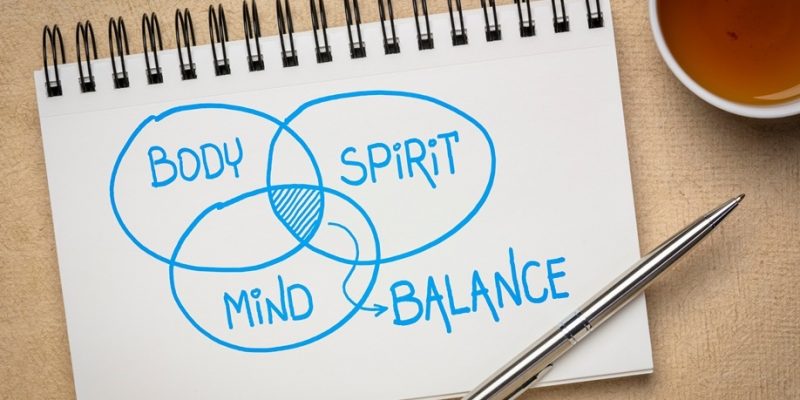
It comes down to exploring the body by asking the three core questions: What am I doing? What do I sense? and Can I do it differently? and applying those questions to the six core attunement domains: your posture, movements, senses, breath, internal organs, and vitality.
It may seem a lot, just as it seemed a lot to know all the traffic rules, to master operating your car, and to pay attention to the traffic around you at the same time.
Yet, if you start with observing just one daily task and remember to do it consistently, bit by bit applying the core questions to the body attunement domains, it will soon become a daily and automatic habit to do so. Trust me.
And that will prompt you to observe more of your other activities, until “listening” to a whole range of recurring bodily actions will have become a continuous and effortless integrated part of your functioning.