


Movement Attunement is one of the six core body attunement domains, and consists of paying conscious attention to, understanding, and appropriately responding to your body’s needs, sensations, signals, actions, and reactions when it’s involved in movement.
 eBook | Click for details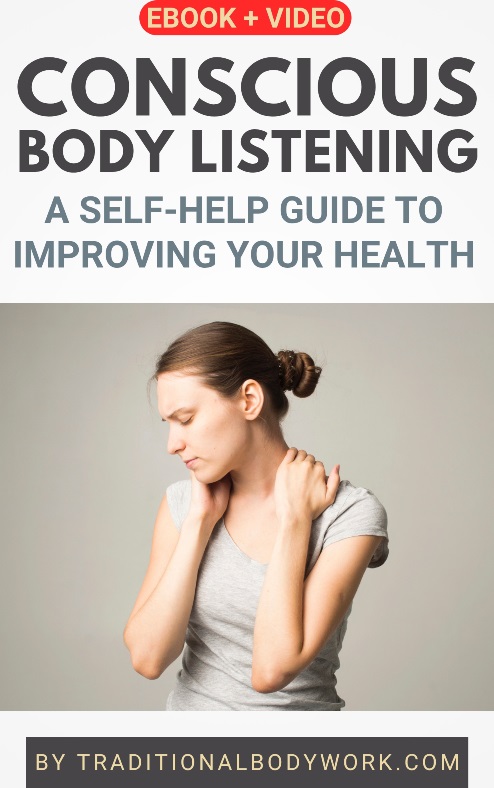
Now, you move your body in countless ways: walking, running, jumping, swimming, stretching, talking, putting on pants, using your smartphone, turning over in bed, cutting vegetables, climbing stairs, gardening, and so on. The possibilities are endless.
Pay conscious attention to how you move your body or body parts and what you sense during those movements. This answers two important questions that are part of Conscious Body Listening: What am I doing? and What do I sense?
Also, try moving differently by changing your customary ways of doing things and observe how your body responds. For example, if you usually start climbing the stairs with your left leg, try consistently starting with your right instead.
When doing things, such as stirring your coffee, brushing your teeth, washing your body, etc., try using your left hand instead of your right hand, or your right leg instead of your left, do things squatting instead of bending over, standing instead of sitting, and so on.
eBook | Click for details
If you always walk fast in the city, try to do it more slowly. How does your body feel when you walk either fast or calmly? When you are in the forest or in a park, test how it feels when walking backwards.
When putting on your pants, try doing it while standing instead of sitting, or vice versa. You can also start by covering your left leg first and then your right, rather than following your usual sequence.
How’s your balance in different situations: when you walk through uneven terrain, when descending the stairs, or when you put your pants on while standing?
The message is again the same: observe attentively and continuously, sense, and try to do things differently to explore the abilities and limitations of your body.
And when you feel discomforts, tensions, or pains, find out when they started, what changed, and what you can change.