
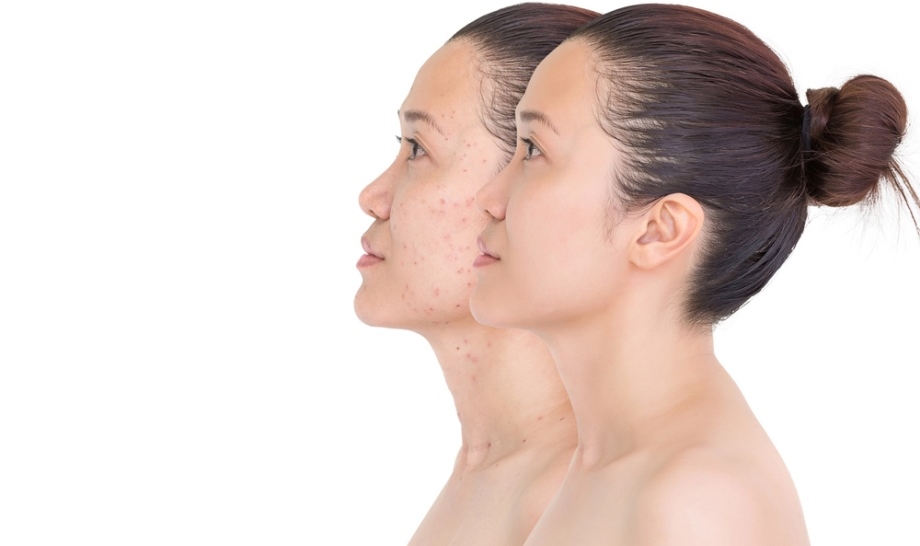
Does your skin develop dark spots that linger for months after a simple pimple heals? Asian skin contains higher melanin density and larger melanocytes compared to Caucasian skin, making it more prone to post-inflammatory hyperpigmentation (PIH) and melasma. This increased melanin activity requires specific laser parameters and protocols to avoid complications like paradoxical darkening or hypopigmentation. Choosing the right laser for pigmentation Singapore is especially important in Singapore, where the tropical climate adds another layer of complexity with year-round UV exposure triggering melanin production even after laser pigmentation treatments.
The Fitzpatrick scale classifies most Asian skin between Types III-V, characterized by moderate to significant melanin content and tendency toward pigmentation irregularities. Current laser technology addresses these characteristics through selective photothermolysis – targeting melanin while preserving surrounding tissue. Treatment outcomes depend on matching laser wavelength, pulse duration, and energy settings to both the pigmentation type and individual skin response.
Types of Pigmentation in Asian Skin
Melasma
Melasma appears as symmetrical brown patches across the cheeks, forehead, upper lip, and nose bridge. The condition involves both epidermal and dermal pigmentation. Hormonal fluctuations, UV exposure, and genetic factors contribute to melasma development, with many patients experiencing recurrence despite initial treatment.
Q-switched Nd:YAG lasers at 1064nm wavelength penetrate deeply enough to target dermal melasma while minimizing epidermal heating. Low-fluence laser toning uses multiple passes at sub-threshold energies to gradually break down pigment without triggering inflammation. Treatment intervals of 2-3 weeks allow melanocyte activity to normalize between sessions.
Solar Lentigines
Age spots develop from cumulative sun damage, appearing as flat, brown marks on sun-exposed areas. Unlike melasma, solar lentigines contain concentrated melanin in the basal layer of the epidermis. The pigment responds to Q-switched lasers at 532nm or 694nm wavelengths, which target superficial melanin.
Immediate whitening or greyish discoloration indicates melanin disruption. The treated spots darken over 3-5 days before forming micro-crusts that shed within 7-10 days. Clearance often requires 1-3 sessions spaced 4-6 weeks apart.
Post-Inflammatory Hyperpigmentation
PIH develops after skin injury from acne, eczema, or cosmetic procedures. Asian skin’s reactive melanocytes produce excess pigment during the healing process, creating dark marks that persist long after the original condition resolves. The pigmentation depth varies – superficial PIH responds within weeks while dermal PIH may require months of treatment.
Fractional lasers create microscopic treatment zones that stimulate cellular turnover without widespread inflammation. The 1927nm thulium wavelength targets water in the epidermis, facilitating pigment removal through natural exfoliation. Combining fractional treatment with topical lightening agents accelerates PIH resolution.
Hori’s Nevus
Bilateral nevus of Ota-like macules appears as blue-grey spots on the cheekbones, typically emerging in women during their twenties or thirties. The dermal melanocytosis requires deeper penetration than epidermal pigmentation. Q-switched Nd:YAG laser at 1064nm wavelength targets these deep dermal melanocytes.
Treatment causes immediate tissue whitening followed by swelling that peaks at 24-48 hours. The pigmentation gradually lightens over 8-12 weeks as macrophages clear the fragmented melanin. Removal typically requires 6-10 sessions at 8-12 week intervals.
Laser Technologies for Asian Skin
Q-Switched Nd:YAG Laser
The 1064nm wavelength penetrates 4-6mm into skin, reaching dermal pigmentation while being less absorbed by epidermal melanin. Nanosecond pulse duration creates photoacoustic effects that fragment pigment particles without excessive heat buildup. The laser’s dual wavelength capability (532nm and 1064nm) allows treatment of both superficial and deep pigmentation.
Laser toning protocols use large spot sizes (6-8mm) with low fluences (1.5-3.5 J/cm²) delivered in multiple passes. This approach minimizes PIH risk while gradually reducing pigment density. Treatment endpoints include mild erythema and petechiae rather than immediate whitening.
Picosecond Lasers
Picosecond pulse duration (10⁻¹² seconds) generates predominantly photomechanical effects with minimal thermal damage. The ultra-short pulses create stronger photoacoustic waves that fragment pigment into smaller particles for easier clearance. This mechanism may reduce treatment sessions needed and lower PIH risk compared to nanosecond lasers.
Focus lens arrays concentrate energy into micro-injury zones, inducing dermal remodeling alongside pigment removal. The combination addresses both pigmentation and skin texture concerns. Treatment parameters range from 0.3-0.7 J/cm² for Asian skin, which differ from Caucasian skin protocols.
Fractional Thulium Laser
The 1927nm wavelength targets water in the epidermis, creating controlled micro-columns of coagulated tissue. This fractional approach treats 15-20% of skin surface per session while leaving surrounding tissue intact for rapid healing. The superficial penetration depth (200-250 microns) makes it suitable for epidermal pigmentation.
Treatment density ranges from 150-350 MTZ/cm² with energies of 10-20mJ per microbeam. Higher densities increase efficacy but also raise PIH risk in darker skin types. Post-treatment bronzing indicates pigment coagulation, with exfoliation completing within 3-5 days.
Treatment Protocols and Safety Measures
Pre-treatment preparation begins 4-6 weeks before laser sessions. Hydroquinone 2-4% or tretinoin 0.025% conditions skin and suppresses melanocyte activity. Broad-spectrum sunscreen SPF 30-50 is recommended, with reapplication every 2-3 hours during outdoor exposure. Oral tranexamic acid may benefit melasma patients by reducing melanocyte activation. The appropriate dosage and frequency should be determined by a healthcare professional.
Test spots determine individual skin response before full treatment. A small area receives graduated energy levels, with assessment at 48-72 hours for adverse reactions. Delayed hyperpigmentation may appear 2-4 weeks post-treatment, requiring protocol adjustment.
During treatment, skin cooling reduces discomfort and limits thermal damage. Contact cooling with sapphire windows maintains epidermis at 5-10°C while allowing laser penetration. Zimmer coolers deliver -30°C air to treatment areas, though excessive cooling may reduce treatment efficacy in pigmentation removal.
Post-laser care focuses on barrier repair and inflammation control. Ceramide-based moisturizers restore skin barrier function within 24-48 hours. Mild topical corticosteroids may minimize inflammation without suppressing healing responses. The appropriate duration of use should be determined by a healthcare professional. Physical sunblocks containing zinc oxide or titanium dioxide provide immediate protection without chemical irritation.
Managing Complications in Asian Skin
Post-Inflammatory Hyperpigmentation Prevention
PIH remains a primary concern when treating Asian skin with lasers. Risk factors include:
- Higher Fitzpatrick phototypes
- Previous PIH history
- Treatment parameters
Conservative energy settings with gradual escalation may help minimize PIH occurrence while maintaining treatment efficacy.
Combination therapy may reduce PIH risk compared to monotherapy. Alternating between different laser wavelengths or combining lasers with chemical peels distributes treatment stress. Triple combination cream (hydroquinone, tretinoin, corticosteroid) started after treatment may help suppress melanocyte reactivation. A healthcare professional can determine the appropriate treatment approach.
Paradoxical Darkening Management
Some patients experience worsening pigmentation after laser treatment, particularly with melasma. The phenomenon results from sub-threshold injury stimulating melanocyte activity without adequate pigment destruction. Switching to longer wavelengths or lower fluences may help resolve paradoxical darkening.
Treatment intervals require adjustment when darkening occurs. Extending intervals to 4-6 weeks allows inflammation resolution between sessions. Adding oral medications like tranexamic acid or glutathione may provide systemic melanocyte suppression during the recovery period. A healthcare professional should determine appropriate medication use and dosing.
Combination Approaches
Laser treatments combined with topical agents may enhance outcomes while reducing session numbers. Cysteamine cream 5% applied twice daily lightens pigmentation through tyrosinase inhibition. Unlike hydroquinone, cysteamine doesn’t cause ochronosis with long-term use. Vitamin C serum 10-20% provides antioxidant protection while inhibiting melanin synthesis.
Chemical peels between laser sessions may accelerate pigment removal through controlled exfoliation. Mandelic acid 20-40% suits Asian skin due to its larger molecular size and slower penetration. The antimicrobial properties also benefit acne-related PIH. Glycolic acid 20-35% may offer faster results but requires careful monitoring for irritation.
Injectable treatments may complement laser therapy for stubborn pigmentation. Glutathione 600-1200mg weekly shifts melanin production from eumelanin to pheomelanin. Tranexamic acid 100mg intradermal injections directly into melasma patches inhibit plasminogen activation and subsequent melanocyte stimulation.
Putting This Into Practice
- Schedule consultation during a period when you can minimize sun exposure for 6-8 weeks post-treatment
- Document all previous skin treatments and reactions to help determine suitable laser parameters
- Begin prescribed pre-treatment skincare routine 4 weeks before your first laser session
- Apply broad-spectrum sunscreen every morning and reapply throughout the day, even indoors near windows
- Plan for potential downtime of 3-7 days with mild redness and bronzing after treatment
When to Seek Professional Help
- Pigmentation that changes in size, color, or texture
- Dark spots with irregular borders or multiple colors
- Melasma that worsens despite consistent sunscreen use
- PIH lasting more than 6 months after initial injury
- Pigmentation accompanied by itching, bleeding, or pain
- Previous treatments with over-the-counter products that did not achieve desired results
Commonly Asked Questions
How many laser sessions will I need for complete pigmentation removal?
Surface pigmentation like age spots typically clears in 1-3 sessions, while melasma requires 6-10 sessions with ongoing maintenance. Dermal pigmentation such as Hori’s nevus needs 6-10 treatments spaced 2-3 months apart for results.
Can laser treatment permanently remove melasma?
Melasma involves ongoing melanocyte dysfunction triggered by hormones and UV exposure. While lasers can lighten existing pigmentation, maintenance treatments every 3-6 months may help prevent recurrence. Daily sunscreen and topical lightening agents remain important between sessions. A healthcare professional can provide guidance on an appropriate treatment plan.
Will the laser for pigmentation treatment cause more dark spots?
Lasers with appropriate parameters rarely cause new pigmentation when used properly. Test spots can help identify individual sensitivity before full treatment. Following pre and post-care instructions significantly reduces PIH risk.
How soon can I see results after laser treatment?
Superficial pigmentation lightens within 7-14 days as treated cells shed. Deeper pigmentation requires 4-8 weeks for visible improvement as macrophages gradually clear fragmented melanin. Results typically appear 2-3 months after completing the treatment series.
Can I undergo laser treatment if I have sensitive skin?
Sensitive skin requires modified protocols with lower energies and longer treatment intervals. Starting with gentle laser toning allows skin conditioning before progressing to higher energies. Barrier repair products can help strengthen skin resilience during the treatment course. A healthcare professional can assess suitability and recommend an appropriate approach.
Next Steps
Laser treatment for Asian skin requires matching the specific laser technology and parameters to your pigmentation type. Conservative energy settings, proper pre-treatment preparation, and diligent post-care minimize complications while optimizing results.
If you’re experiencing persistent dark spots, melasma, or uneven skin tone, consult an MOH-accredited aesthetic doctor for evaluation and customized laser treatment protocols designed for Asian skin.