

Professional holistic practices focus on the whole person and aim to support overall well-being. Clients trust practitioners to create a safe and supportive space during every session. Safety is not only about comfort but also about being prepared for unexpected situations.
Clear knowledge and proper training help reduce risks in daily practice. Practitioners must stay aware of both physical and emotional safety needs.
Simple steps can make a big difference in protecting clients. The following sections explain how to ensure safety in professional holistic practices.
Understanding Client Health Conditions
Every client has a unique health background that must be understood before any session. A basic intake form helps gather important details about medical history. Practitioners should ask clear questions and listen carefully to responses. This helps avoid actions that may cause harm or discomfort.
Some conditions may require adjustments in technique or approach. It is important to respect client limits at all times. Keeping records updated ensures safer future sessions. This simple process builds trust and reduces risks.
Maintaining Clean and Safe Environments
A clean space supports both safety and comfort during sessions. Tools and surfaces should be cleaned before and after each use. Proper hygiene helps prevent the spread of bacteria and infections. Fresh linens and sanitized equipment show professionalism.
Good lighting and ventilation also improve safety. Clients should feel relaxed but also protected in the space. Regular checks help maintain consistent standards. A safe environment supports better outcomes for every client.
Learning Emergency Response Skills
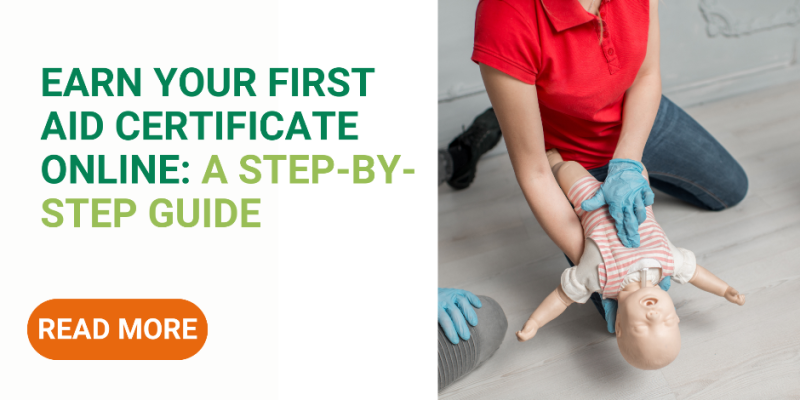
Unexpected situations can happen at any time during a session. Practitioners should be trained to respond quickly and calmly. Basic skills like CPR and first aid are essential for safety.
These skills can help manage serious situations before help arrives. Training resources from certification programs such make it easier to learn and stay updated.
Regular practice helps keep these skills fresh and ready. Being prepared reduces panic and improves response time. This level of readiness protects both the client and the practitioner.
Setting Clear Boundaries and Consent
Clear communication is important before starting any session. Clients should understand what to expect during the process. Consent must be given for every technique or method used. Practitioners should explain steps in simple and clear terms.
Boundaries help prevent misunderstandings or discomfort. Clients should feel free to speak up at any time. Respecting limits builds a safe and trusting relationship. This approach supports both emotional and physical safety.
Staying Updated with Professional Training
Continuous learning helps improve safety standards in practice. New methods and guidelines are introduced over time. Practitioners should attend training and workshops regularly. Updated knowledge helps avoid outdated or unsafe practices.
Learning from experts also improves confidence in handling clients. It is important to review skills often and stay informed. This effort shows commitment to quality care. Ongoing education keeps professional holistic practices safe and effective.
Ensure Client Safety In Professional Holistic Practices
Client safety should always be a top priority in professional holistic practices. Simple steps and proper training create a safer experience for everyone. Awareness, preparation, and clear communication all play a role.
Practitioners who stay informed can handle situations with confidence. Safe practices also build long-term trust with clients. Consistency in safety measures leads to better results. Strong safety habits support lasting success in any holistic practice.
For other topics, check our blog page. We do have more!