
Have you ever wondered why the same acne treatment that works for your friend completely fails for you? Acne develops when hair follicles become clogged with oil, dead skin cells, and bacteria, creating an environment where Cutibacterium acnes thrives. Different skin types respond to treatments differently – oily skin may tolerate stronger topical retinoids while sensitive skin requires gentler formulations with lower concentrations. Choosing the right acne treatment in Singapore is especially important in Singapore, where the humid climate increases sebum production and sweat accumulation, often requiring adjusted treatment protocols compared to temperate regions.
The severity of acne ranges from comedonal (blackheads and whiteheads) to inflammatory (papules and pustules) to nodulocystic forms that penetrate deeper skin layers. Each type requires specific treatment approaches, with mild cases responding to topical treatments alone while moderate to severe cases often need combination therapies.
Identifying Your Skin Type and Acne Pattern
Oily skin produces excess sebum throughout the day, appearing shiny within hours of cleansing, particularly in the T-zone. This skin type may tolerate benzoyl peroxide concentrations up to 10% and twice-daily retinoid application. Dry skin feels tight after cleansing, shows visible flaking, and may benefit from moisturizer-based acne formulations with added ceramides or hyaluronic acid.
Combination skin exhibits oiliness in the T-zone with normal to dry cheeks, and may require zone-specific treatment – stronger actives on oily areas and gentler formulations on drier regions. Sensitive skin reacts with redness, stinging, or burning to standard acne medications, and may benefit from buffered formulations, shorter contact therapy, or alternative ingredients like azelaic acid instead of benzoyl peroxide.
Acne patterns provide diagnostic clues about underlying causes. Hormonal acne concentrates along the jawline and lower face, flaring before menstruation. Comedonal acne dominated by blackheads and whiteheads indicates abnormal skin cell turnover. Inflammatory acne with numerous red papules and pustules suggests bacterial overgrowth that may benefit from antimicrobial therapy.
A healthcare professional can help determine the most appropriate treatment approach based on individual skin type and acne pattern.
Topical Treatments by Skin Type
Retinoids and Retinol Derivatives
Tretinoin (0.025%-0.1%) is commonly used for comedonal acne, normalizing skin cell turnover and preventing pore blockage. The appropriate concentration and application frequency should be determined by a healthcare professional based on individual skin type and tolerance. Adapalene 0.1% may cause less irritation than tretinoin while maintaining similar efficacy.
Retinol serums offer gentler alternatives for those unable to tolerate prescription retinoids. Concentrations range from 0.25% to 1%, with encapsulated formulations releasing active ingredients slowly to minimize irritation. A healthcare professional can provide guidance on proper application techniques to reduce irritation.
Antibacterial Agents
Benzoyl peroxide kills acne bacteria through oxidation, with concentrations from 2.5% to 10%. Lower concentrations (2.5%-5%) may be as effective as higher strengths with less dryness and irritation. Leave-on formulations and wash-off versions are available, and a healthcare professional can help determine which is appropriate for individual skin types.
Topical antibiotics like clindamycin 1% or erythromycin 2% target inflammatory acne but require combination with benzoyl peroxide to prevent antibiotic resistance. Fixed combination products simplify application and improve compliance. Azelaic acid 15-20% provides antibacterial, anti-inflammatory, and mild exfoliating effects with minimal irritation, and may be beneficial for sensitive skin and post-inflammatory hyperpigmentation.
Chemical Exfoliants
Salicylic acid (0.5%-2%) penetrates oil-filled pores, dissolving debris and reducing inflammation. The frequency of use should be determined based on individual skin type and tolerance. Leave-on treatments may be more effective than cleansers, which have shorter contact time.
Glycolic acid (5%-10%) and lactic acid (5%-10%) address surface-level dead skin accumulation and improve skin texture. These alpha-hydroxy acids may be suitable for dry to normal skin types, as they don’t penetrate oil as effectively as salicylic acid. Mandelic acid, with its larger molecular size, penetrates slowly and may be suitable for sensitive, acne-prone skin.
Oral Medications for Different Acne Severities
Oral antibiotics like doxycycline or minocycline treat moderate to severe inflammatory acne through anti-inflammatory and antibacterial effects. The appropriate dosage and treatment duration should be determined by a healthcare professional, and these medications are typically combined with topical therapy to prevent resistance. Tetracycline antibiotics require sun protection due to photosensitivity and should be taken with food to minimize gastrointestinal upset.
Hormonal therapy addresses acne in females with hormonal triggers. Combined oral contraceptives containing ethinyl estradiol with anti-androgenic progestins like drospirenone or cyproterone acetate reduce sebum production. Spironolactone blocks androgen receptors, particularly effective for adult female jawline acne. A healthcare professional can advise on the appropriate treatment duration and expected timeline for visible improvement.
Isotretinoin treats severe nodulocystic acne or cases resistant to other therapies. The appropriate dosage and cumulative dose should be determined by a healthcare professional. Monthly blood tests monitor liver function and lipid levels. Strict pregnancy prevention measures apply due to severe birth defect risks. Patients may experience initial worsening before improvement, and a healthcare professional can provide guidance on expected outcomes.
Professional Treatments Available
Chemical Peels
Superficial peels using 20-35% salicylic acid target comedonal and inflammatory acne through controlled exfoliation. Treatment frequency and duration should be determined by a healthcare professional. Glycolic acid peels (20-70%) improve skin texture and reduce post-inflammatory hyperpigmentation. Jessner’s solution combines salicylic acid, lactic acid, and resorcinol for enhanced penetration.
Mandelic acid peels suit sensitive skin and darker skin types with lower risk of post-inflammatory hyperpigmentation. TCA peels (10-20%) address acne scarring but require longer downtime and careful patient selection. Post-peel care includes sun protection, gentle cleansing, and avoiding active ingredients as advised by a healthcare professional.
Light and Laser Therapies
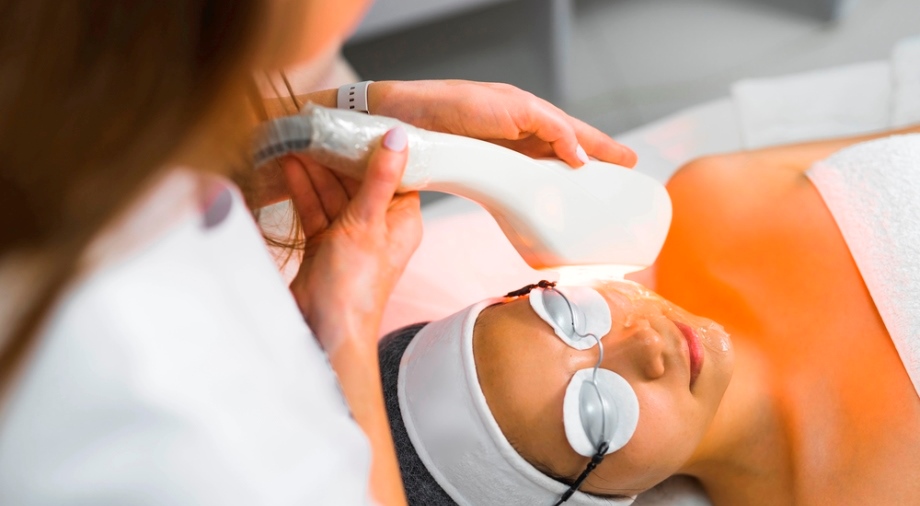
Blue light therapy (415nm wavelength) targets Cutibacterium acnes through photodynamic reaction, destroying bacteria without antibiotics. Treatment duration and frequency should be determined by a healthcare professional. Red light (630-660nm) reduces inflammation and promotes healing, often combined with blue light for comprehensive treatment.
Pulsed dye laser targets inflammatory acne lesions and reduces redness through selective photothermolysis of blood vessels. Treatment intervals and number of sessions should be determined by a healthcare professional. Nd:YAG laser (1064nm) penetrates deeper, treating inflammatory and cystic acne while stimulating collagen for scar improvement.
Photodynamic therapy combines aminolevulinic acid application with light activation, targeting sebaceous glands and bacteria simultaneously. Incubation time varies depending on protocol as determined by a healthcare professional. Temporary photosensitivity requires strict sun avoidance post-treatment as advised.
Extraction and Injection Procedures
Comedone extraction removes blackheads and whiteheads using sterile instruments after skin preparation with warm compresses or steam. Proper technique prevents scarring and infection spread. Treatment frequency should be determined by a healthcare professional.
Intralesional corticosteroid injections (triamcinolone 2.5-10mg/ml) reduce large inflammatory nodules and cysts. A healthcare professional can determine appropriate concentration and treatment approach. Proper dilution and injection technique minimize complications.
Building Your Acne Treatment Routine
Morning routines focus on protection and lightweight treatment:
- Gentle cleanser removes overnight oil accumulation without stripping skin barrier
- Water-based treatments apply before oil-based products
- Salicylic acid or niacinamide serums address active breakouts
- Non-comedogenic sunscreen SPF 30 or higher provides protection, particularly with photosensitizing acne medications
Evening routines emphasize treatment and repair:
- Double cleansing removes sunscreen, makeup, and daily accumulation – oil cleanser followed by water-based cleanser
- Prescription retinoids or over-the-counter alternatives apply to clean, dry skin
- Benzoyl peroxide spot treatment targets active lesions
- Moisturizer selection depends on skin type – gel formulations for oily skin, creams for dry skin
Treatment timing prevents ingredient interactions and maximizes efficacy:
- Retinoids and benzoyl peroxide shouldn’t mix directly as benzoyl peroxide oxidizes retinoids
- Alternating nights or applying to different areas prevents deactivation
- Vitamin C serums apply in the morning, away from retinoids and benzoyl peroxide
- Niacinamide layers well with most ingredients, providing anti-inflammatory benefits without interactions
Managing Treatment Side Effects
Dryness and peeling commonly occur with retinoids and benzoyl peroxide, particularly during initial weeks. Barrier repair moisturizers containing ceramides, cholesterol, and fatty acids restore skin barrier function. Hyaluronic acid serums provide hydration without heaviness. Reducing application frequency or using buffering technique (applying moisturizer first) minimizes irritation while maintaining efficacy.
Purging describes temporary acne worsening when starting retinoids or chemical exfoliants. Existing microcomedones surface faster, appearing as new breakouts. Purging typically resolves within 4-6 weeks, while true allergic reactions cause immediate irritation without improvement. Continuing treatment through purging leads to clearer skin, while allergic reactions require discontinuation.
Photosensitivity affects users of retinoids, antibiotics, and certain chemical exfoliants. Broad-spectrum sunscreen application every morning, regardless of weather, prevents UV damage. Physical sunscreens containing zinc oxide or titanium dioxide suit sensitive, acne-prone skin. Reapplication every 2 hours during sun exposure maintains protection.
Did You Know?
Acne medications work through different mechanisms – retinoids normalize skin cell turnover, benzoyl peroxide kills bacteria through oxidation, and salicylic acid dissolves oil plugs. Combining treatments with complementary actions may produce favorable results.
What Our Dermatologist Says
Clinical experience shows that acne treatment requires patience and consistency. Most topical treatments need 6-12 weeks for visible improvement, with optimal results at 3-4 months. Starting with lower concentrations and gradually increasing prevents excessive irritation that leads to treatment abandonment.
Combination therapy addresses multiple acne factors simultaneously – abnormal keratinization, bacterial overgrowth, inflammation, and excess sebum production. Rather than switching treatments frequently, adjusting concentrations or application frequency often resolves tolerance issues while maintaining progress.
Post-inflammatory hyperpigmentation concerns many patients more than active acne. Prevention through early acne treatment and consistent sun protection works better than treating established pigmentation.
Commonly Asked Questions
How long before I see results from acne treatment?
Topical treatments typically show initial improvement at 4-6 weeks, with significant changes at 12 weeks. Oral antibiotics may improve inflammatory lesions within 2-3 weeks. Isotretinoin often worsens acne initially before clearing begins around week 8-10. Consistency throughout the treatment period may influence outcomes.
Can I use makeup while treating acne?
Non-comedogenic, oil-free makeup won’t worsen acne when properly removed nightly. Mineral makeup with zinc oxide or titanium dioxide provides coverage while offering mild anti-inflammatory benefits. Avoid heavy, occlusive foundations that trap bacteria and oil. Always remove makeup before applying treatment products.
Should I avoid moisturizer if I have oily, acne-prone skin?
Skipping moisturizer often triggers increased oil production as skin compensates for dryness. Lightweight, gel-based moisturizers with hyaluronic acid or glycerin provide hydration without heaviness. Moisturizing actually improves tolerance to acne medications, allowing consistent use of therapeutic concentrations.
Why does my acne return after stopping treatment?
Acne is a chronic condition requiring maintenance therapy for most people. Discontinuing treatment allows factors like abnormal skin cell turnover and bacterial growth to resume. Transitioning to maintenance regimens with lower concentrations or less frequent application often prevents recurrence while minimizing long-term irritation.
Can diet changes improve acne?
High-glycemic foods and dairy products may worsen acne in susceptible individuals through hormonal pathways. Reducing refined sugars, processed foods, and dairy while increasing omega-3 fatty acids may provide modest improvement. Dietary changes complement but don’t replace medical acne treatment.
Putting This Into Practice
- Map your face to identify acne patterns – photograph weekly to track which areas respond to treatment and which need adjusted therapy
- Patch test new products on your jawline for 3 days before full-face application to identify potential reactions
- Keep a treatment diary noting products used, skin response, and any triggers like stress or dietary factors
- Layer products from thinnest to thickest consistency, allowing each to absorb for 30-60 seconds before the next
- Set phone reminders for twice-daily application until the routine becomes habitual
Next Steps
Effective acne treatment matches therapies to your specific skin type and acne pattern. Starting with lower concentrations and building tolerance prevents irritation-related discontinuation. Professional evaluation identifies underlying factors affecting treatment selection, such as hormonal influences or bacterial resistance.
If you’re experiencing persistent breakouts, inflammatory papules and pustules, or nodulocystic acne unresponsive to over-the-counter treatments, consult an MOH-accredited dermatologist for personalized assessment and evidence-based treatment tailored to your skin.