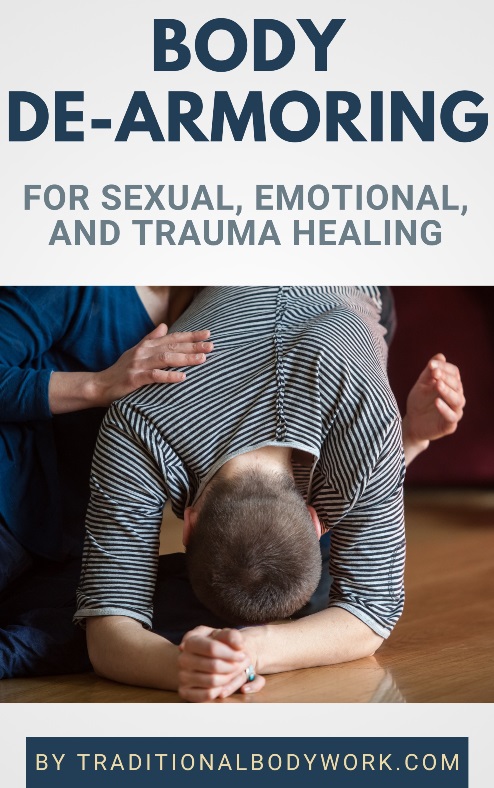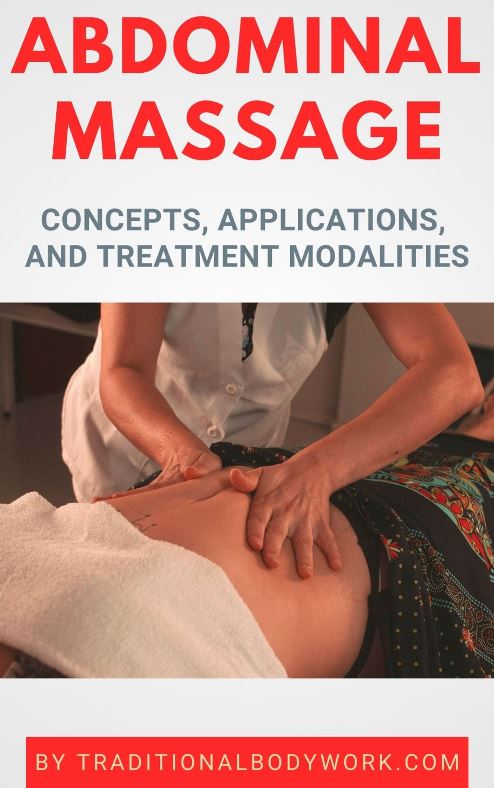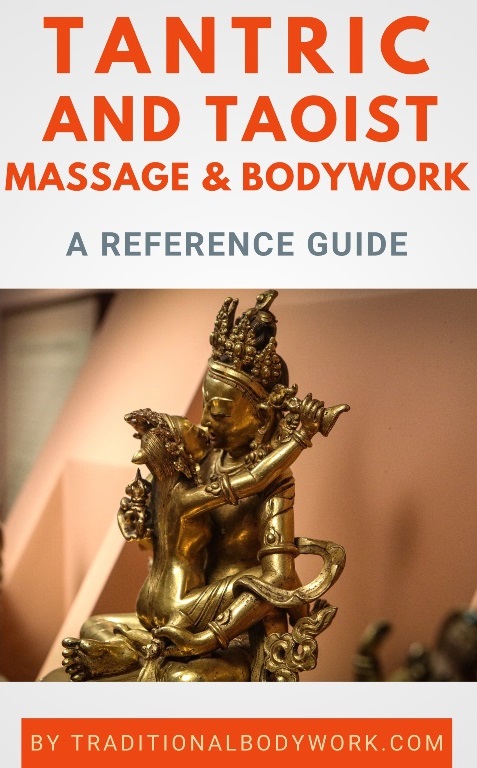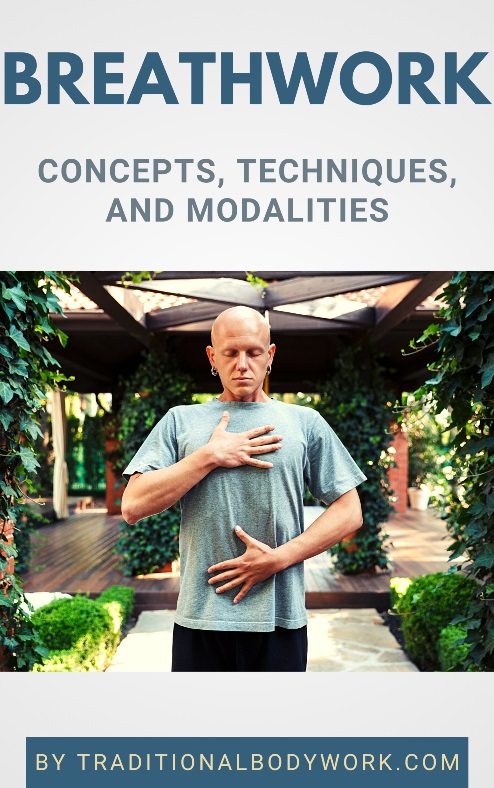


In a culture that celebrates intensity—harder workouts, deeper stretches, faster productivity—it’s easy to bring the same mindset into our inner world. We try to relax by forcing relaxation, try to open the body by pushing through resistance, or try to feel more by concentrating intensely. Yet the nervous system does not respond to pressure. It responds to invitation, pacing, and safety. A somatic approach reverses the usual logic. Instead of trying to make the body change, we learn to feel the body as it already is, allowing change to arise naturally. This creates a radically different relationship—one based not on control, but on cooperation.
When we attempt to force the body, something subtle but predictable happens. Muscles tighten, breath becomes shallow, and awareness narrows. Even practices meant to soothe—such as stretching, meditation, or massage—can become internal performance tasks if the underlying attitude is one of pushing. For many people, especially queer individuals who have spent years monitoring or managing the body for social safety, this pressure echoes the old message that they must shape themselves into something acceptable. Somatic work begins with the opposite message: nothing has to change for you to feel what is here. Under that kind of permission, the body naturally begins to soften and regulate.
Feeling begins with permission. Before techniques or methods, there is a simple internal gesture: letting the body know that it does not have to produce a result. One way to sense this is to sit or lie comfortably and silently say, “Body, you’re not required to do anything right now.” Without trying to relax, most people notice a gentle shift—a deeper breath, a small drop in tension, or the sense that the body is not bracing. This is the nervous system recognizing that it is not being asked to perform. Permission invites presence, and presence invites sensation.
A somatic approach treats sensation as information, not as a problem. In everyday life, many of us relate to tightness, heaviness, buzzing, or numbness as something to eliminate or fix. But sensation is the body speaking in its own language. Tightness often expresses the need for support. Heaviness may reflect a request for slower pacing. Buzzing might show that energy is shifting or awakening. Numbness can be the body’s protective strategy when something feels too much. When these sensations are allowed to exist without pressure, the body’s self-regulating intelligence begins to emerge. Feeling becomes a dialogue rather than a project.
Another key aspect of somatic work is learning to follow the body’s signals. Every moment carries a subtle “yes,” “no,” or “not yet.” A yes feels like ease, openness, or curiosity. A no feels like bracing or pulling away. A not yet feels hesitant or unclear. Most people override these cues because they believe they should stretch deeper, breathe harder, or feel more. But the body thrives when we collaborate with its pacing. If a certain touch feels too much, backing off allows trust to form. If breath wants to slow down rather than deepen, honoring that creates more space inside. When the body feels respected, it naturally becomes more available.
Somatic attention is also different from the narrow, effortful focus many people use when trying to “feel.” Hard concentration often creates tension and restricts sensation to a single area. Soft attention is more effective. It is ambient, wide, and receptive. For instance, resting a hand on the chest and feeling the contact gently—not intensely—often reveals more nuance. Sensation becomes richer when attention is soft enough for the body to unfold rather than contract.
Slowness is another central principle. The body organizes itself at a much slower pace than the thinking mind. When we move slowly, breathe slowly, or bring attention slowly into sensation, we sync with the body’s natural rhythm. This is not inactivity but intelligence. Walking a little slower, stretching a little slower, or allowing breath to find its own natural length often brings forward sensations like pulses, warmth, tingling, or emotional undertones that would otherwise remain hidden. Slowness gives the nervous system the time it needs to reorganize and settle.
Feeling also requires safety. Safety is not an idea; it is a felt experience. For queer people especially, the body may have learned long ago that visibility, softness, or pleasure could be unsafe. Somatic work gently reverses this learning by offering consistent internal and external signals of attunement.
I live in NYC, a bustling urban center, and we don’t always slow down to connect. In massage, in yoga, in meditation, or in intimate relationships, the message becomes: I am with you; you do not have to change; you get to set the pace. When the body senses this kind of respect, it naturally becomes more open and responsive. Safety arises not from intensity, but from attunement and care. When I jump into the NYC gay massage landscape to get a bit of relaxation, this is what I’m after.
A simple daily practice can help build this orientation. Pause for one minute. Allow your shoulders to drop only as much as they want to. Notice three sensations anywhere in the body—temperature, texture, breath, pressure, or even the absence of sensation. Quietly say, “I can feel this without needing to change it.” Then let the next breath come on its own. Doing nothing for a final ten seconds allows the body to settle into the experience without rushing to the next task. Repeating this small ritual regularly teaches the body that feeling is safe and that it does not have to brace for internal pressure.
The essence of not forcing the body is simple. Feeling is not a matter of intensity, discipline, or pushing. It is a relationship built on permission, curiosity, pacing, and trust. When you stop demanding that the body change, the body begins to reveal itself. Sensation becomes more nuanced, emotions become more available, and pleasure becomes more accessible. Instead of managing the body, you partner with it. Instead of overriding signals, you follow them. Instead of controlling the internal world, you participate in it.
A somatic approach invites you to feel what is already present and to let the body lead the way. When the pressure lifts, the body naturally unfolds. From that place, everything opens.