

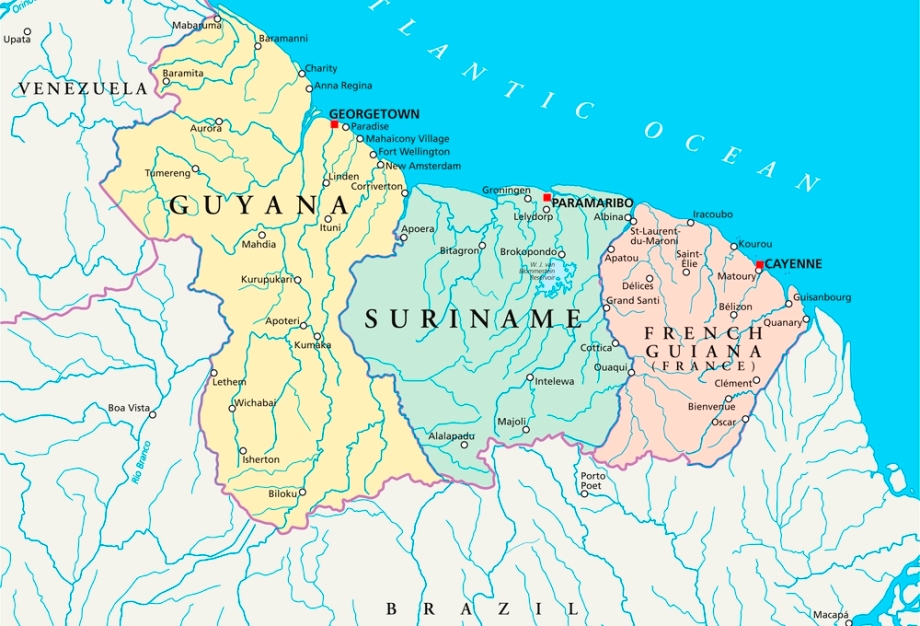
October 15th, 2011. I arrived four days ago. I flew from Paris to Cayenne (the capital of French Guiana), which was a direct flight that took about nine hours.
 eBook
eBook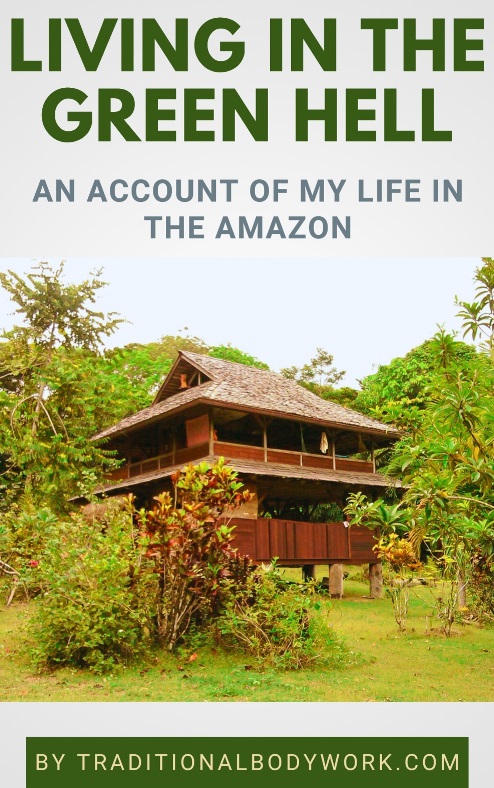
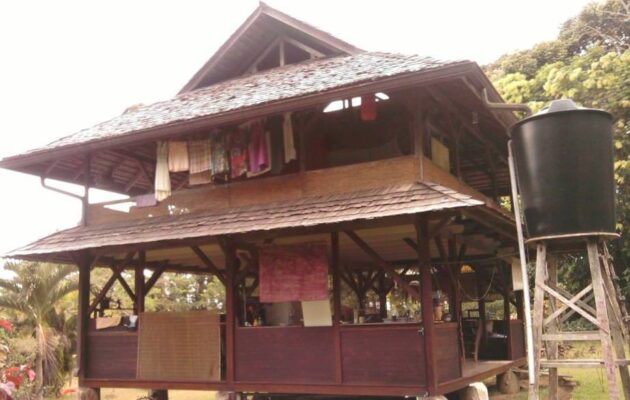
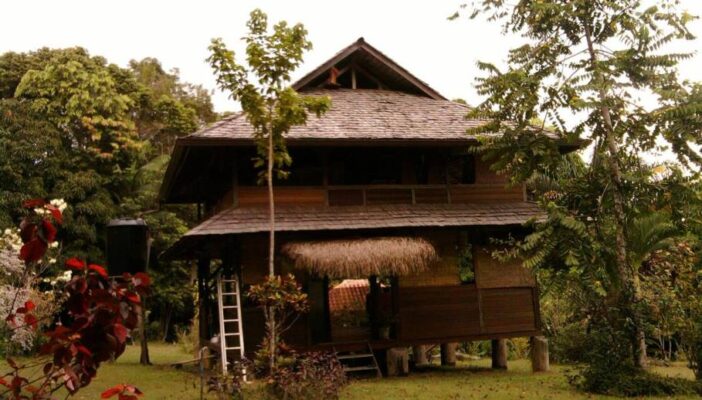
By means of a Couchsurfing website, I found a place to stay with a French woman, who lives in a small community in the forest of French Guiana, about thirty-five kilometers southwest of Cayenne. The community consists of three families with children, a man living alone, and her.
I’ll spare you the details of the travel from the airport to the community, but let’s just say: it wasn’t that easy, actually — it was really a hassle because of a lack of public transportation and taxis that don’t want to make the ride to the inland.
It’s now 9:25 in the morning and I am in Cayenne. I left the “bush house” around 6:45. I went to Cayenne to pick up my visa for Suriname at the Surinamese consulate, which I filed a request for two days ago.
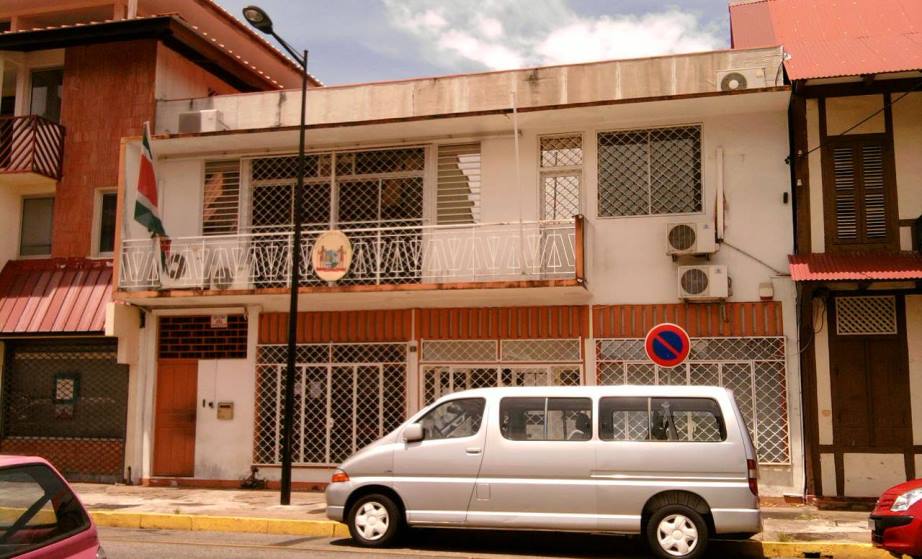
Although I once had the Surinamese nationality, my father switched for the Dutch one when I was still a kid, and the result is that I now need to have a visa to enter the country I grew up in. The world is weird, and this whole visa, immigration, and “foreigner” or “alien” thing is just a big mess. But that’s a different story.
Now, about Cayenne. Well, if you’d like to have a spontaneous depression (or give it to someone), Cayenne is certainly the right place for it. No doubt.
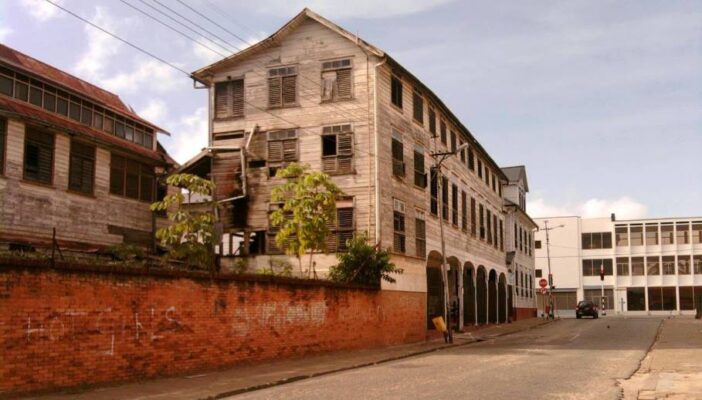
It’s just — a very sad town. Too many buildings and houses in ruins, abandoned, or very badly maintained, a generally uninteresting architecture (although there are some nice colonial buildings) and city build-up, unemployed Creoles listlessly strolling or sitting around, and busy white French expatriates going about being paid excessive salaries by France, while trying to cope with the Green Hell.
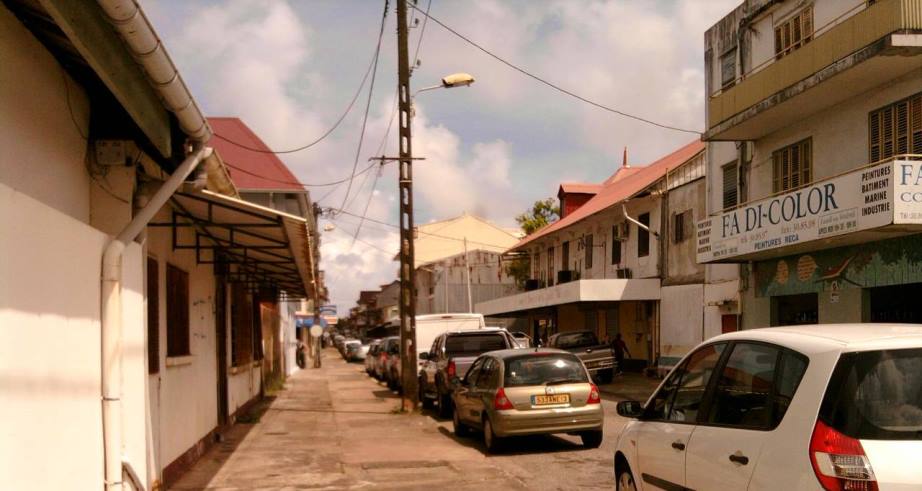
Yes, it’s sad, and it’s overly clear that France doesn’t structurally invest in French Guiana. There are many (historical) reasons to that, but … that would take me another booklet to discuss.
Anyway, I’ll pick up my visa for Suriname this afternoon at 15:00 and then I’m going back to the bush house. I’ll get a ride in Cayenne from one of the community members at around 17:00.
eBook
This Saturday, I’ll be traveling to Paramaribo (the capital of Suriname) and I plan to do it hitchhiking. Transport here in French Guiana is unreasonably expensive, irregular, and unreliable, but as the place where I stay is already situated in the direction of Saint-Laurent and Albina (the border with Suriname, where I will cross the Maroni river to get into Suriname), I will start hitchhiking not far from here.
If I would opt to use public transport, I would first need to go back East to Cayenne, to then go West again, which would mean losing a lot of time. And actually, hitchhiking in French Guiana seems to be very common, exactly because public transportation lacks. I checked with the people here, and they say it’s generally a safe way of travelling, especially along the coast (Le Littoral).
I plan to go Saturday as I will first be helping out here doing some work on the land, near the so-called carbet (the paradisiacal open-air hut). You get some, you give some, isn’t it? Besides that, it will be a better timing for my cousin to welcome me in Paramaribo as she’s working during the week.

All in all, I learn an incredible lot from the community living in the jungle here. I try to absorb this knowledge and experience they have, and I have — a million, billion questions.
How is it to survive here? To live here? What are the problems, what the benefits, and so on. You know, I lived in the tropics in Suriname as a boy, but I’m still amazed by the dazzling, abundant, and constantly buzzing life around me.
eBook
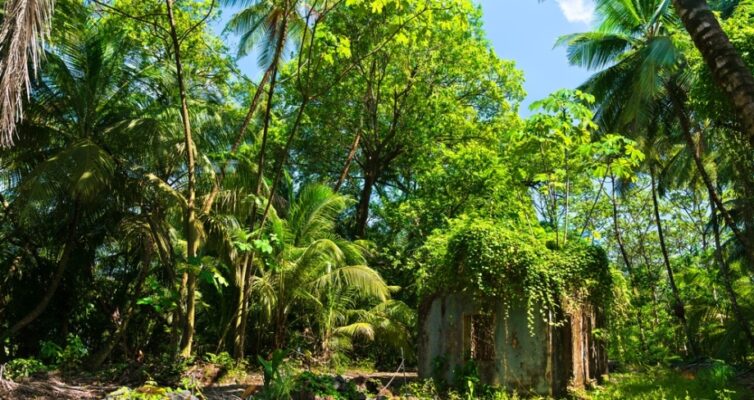
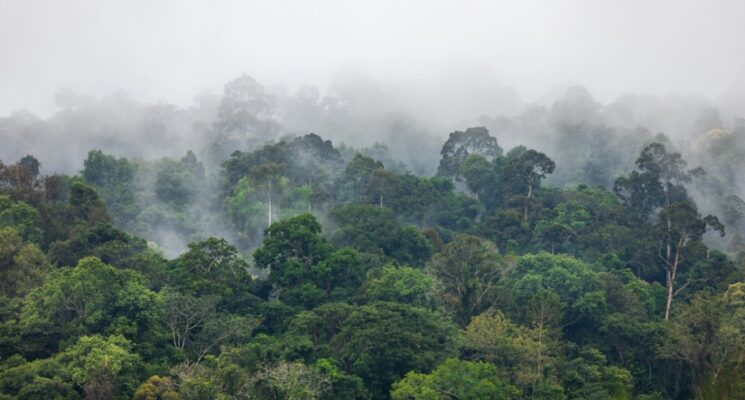
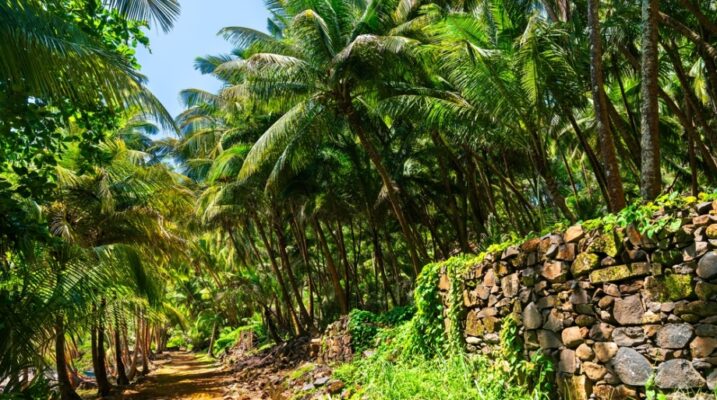
This living creature named “tropical jungle”. It’s a giant orchestra of plants and animals. So many sounds, so many colors. So many little and also bigger (health) dangers and challenges.
Everything is so diverse, huge, and my God — so many insects everywhere. When living in open-air huts as they do here (which are basically huts without doors or windows), it’s a kind of constant battle with Nature, trying to live in harmony with the animals and the forest around you. And trying to keep your home in check against the overwhelming corrosive power of the jungle.
Although it’s officially the dry season, the humidity is just killing. The forest is wet, stays wet, and things only dry when in contact with direct sunlight. The heat and humidity are far, far more intense than I’ve experienced in India or Thailand. It’s all very impressive.
I see this urge evolving in me, this deep wish to come to live here. To experience this incredible life in the jungle. I don’t know yet how to do that, but maybe I’ll find a way to make it happen after my visit to Suriname.